
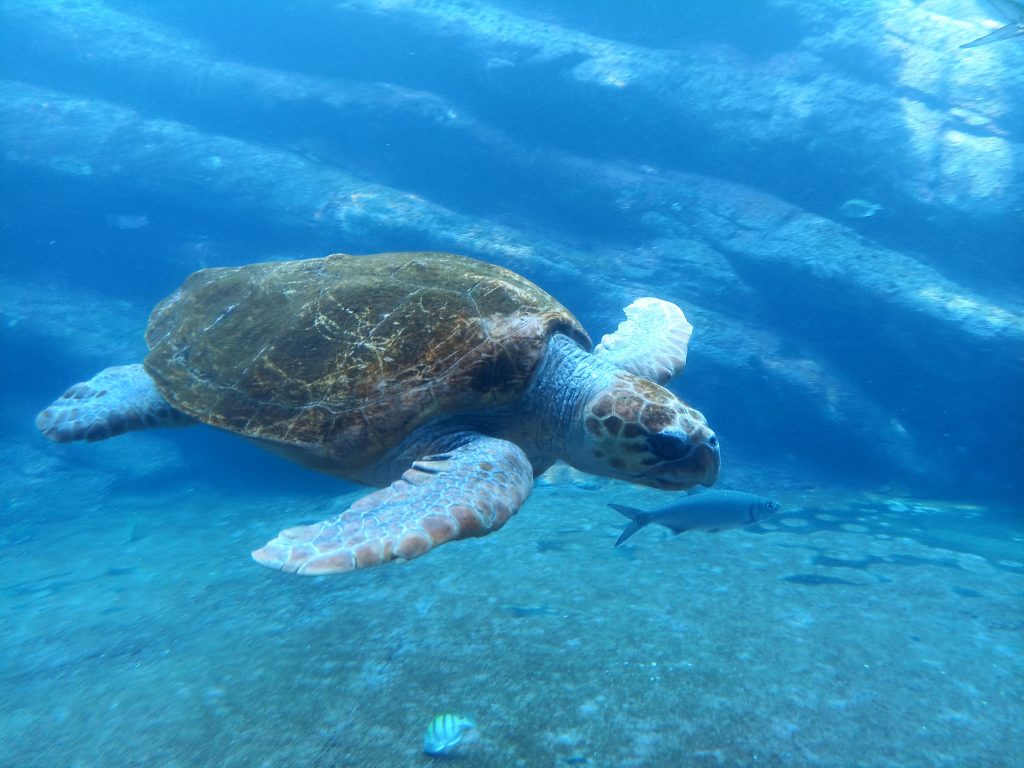
There is a moment every diver remembers forever — the moment a sea turtle glides past you underwater, unbothered, ancient, and impossibly graceful. If you have ever wondered what it feels like to share the ocean with a creature that has outlived dinosaurs, Scuba diving in Kovalam is where that moment becomes real. Along Kerala’s sun-soaked coastline, beneath the waves that tourists usually only photograph from the shore, an entire prehistoric world is quietly going about its business. And at the center of that world, again and again, you’ll find the sea turtle.
This blog is about turtles — the strange, the wonderful, and the downright mind-blowing facts about these gentle reptiles — but it is also about you, standing on a boat deck in Kovalam, fins on, mask fogged with excitement, about to enter their world. Because that is exactly the experience Bond Safari Kovalam has built its reputation on. If you have been dreaming about scuba diving in Kovalam and want a reason to finally book that first dive, let these ten turtle facts be your invitation.
Why Sea Turtles Make Scuba Diving in Kovalam Unforgettable
Before we dive into the facts, it helps to understand why turtles matter so much to divers. Unlike fish that dart away in a blur, turtles move with an almost meditative calm. They allow you to watch, to hover, to simply exist alongside them for a few precious minutes. That calmness is part of what makes scuba diving in Kovalam such a deeply relaxing and almost spiritual experience for beginners and experienced divers alike. There is no chase, no rush — just two creatures from very different worlds sharing the same blue silence.
Kovalam’s coastline sits along a stretch of the Arabian Sea that supports a surprising variety of marine life, from reef fish and rays to, on lucky days, sea turtles cruising along rocky patches and seagrass beds. This is one of the reasons scuba diving in Kovalam has grown so popular with travelers looking for an authentic wildlife encounter rather than just a tick-box adventure activity.
Now, let’s get into the facts that make turtles one of the most fascinating animals you’ll ever meet underwater.
1. Turtles Have Been Around Since Before the Dinosaurs
Here’s a fact that stops most people in their tracks: sea turtles have existed for roughly 100 to 120 million years, meaning they were swimming in ancient oceans long before Tyrannosaurus rex ever walked the earth, and they survived the mass extinction event that wiped out the dinosaurs entirely. When you go scuba diving in Kovalam and spot a turtle drifting past a reef, you are not just looking at an animal — you are looking at a living fossil, a survivor of a world so old it is difficult to fully picture.
This is part of what makes turtle encounters during scuba diving in Kovalam feel almost humbling. Divers often describe the experience as a strange kind of time travel, a brief glimpse into a lineage that has quietly outlasted almost everything else on the planet.
2. They Can Hold Their Breath for Hours
Unlike humans, who tap out after a minute or two underwater without gear, sea turtles are extraordinary breath-holders. A resting turtle can stay submerged for four to seven hours at a time, slowing its heart rate dramatically to conserve oxygen. Active, swimming turtles surface more frequently, but the resting numbers alone are staggering compared to human capability.
This matters for anyone planning scuba diving in Kovalam, because it explains why turtles seem so at ease underwater while divers are busy checking air gauges. They are built for this environment in a way we can only borrow through equipment, tanks, and training — which, incidentally, is exactly what a good PADI-certified dive center teaches you to use safely and confidently.
3. A Turtle’s Shell Is Actually Part of Its Skeleton
Many people assume a turtle’s shell is like a suit of armor it can slip in and out of, similar to a hermit crab’s borrowed shell. In reality, the shell is fused directly to the turtle’s spine and ribcage — it is a living, growing part of its body, covered in bony plates and, for sea turtles, a smooth keratin layer that reduces drag as they glide through water.
That streamlined shell shape is precisely what allows turtles to move with such effortless elegance, something you’ll notice immediately the first time you try scuba diving in Kovalam and watch a turtle outpace your best fin kicks without seeming to try at all.
4. Turtles Can “Cry” Salt Out of Their Eyes
Sea turtles have a fascinating adaptation for surviving entirely in saltwater: special glands near their eyes that excrete excess salt, often making it look like the turtle is crying, especially when they come ashore to nest. This isn’t emotion — it’s biology, a clever mechanism that keeps their internal salt balance in check despite drinking seawater.
It’s a small but wonderful detail to share with kids or first-time divers before a session of scuba diving in Kovalam, because it reframes the turtle from “just another sea animal” into a marvel of evolutionary engineering.
5. Some Turtles Can Dive Deeper Than Most Submarines
While the turtles you’ll typically meet during recreational scuba diving in Kovalam stay in shallower coastal waters, certain species like the leatherback turtle are known to dive to depths exceeding 1,000 meters in the open ocean, deeper than many research submarines are rated to go. Their flexible shells and specially adapted circulatory systems allow them to withstand crushing pressure that would be fatal to most other reptiles.
You don’t need to dive anywhere near that depth to appreciate turtles, though — a beginner-friendly dive at a shallow reef during scuba diving in Kovalam is more than enough to feel the scale of what these animals are capable of.
6. Turtles Use Earth’s Magnetic Field as a GPS
One of the most mind-blowing facts about sea turtles is their navigational ability. Female turtles are believed to use the Earth’s magnetic field to find their way back, sometimes across thousands of kilometers of open ocean, to the very same beach where they themselves hatched decades earlier, in order to lay their own eggs. Scientists call this natural compass “magnetoreception,” and it remains one of the most studied and admired abilities in the animal kingdom.
It’s a humbling thought the next time you’re scuba diving in Kovalam: the turtle swimming beside you may have an internal map more precise than the GPS on your phone.
7. Turtles Play a Critical Role in Ocean Health
Sea turtles aren’t just beautiful to look at — they are considered a keystone species, meaning entire ecosystems depend on them. Green turtles graze on seagrass meadows, keeping them healthy and short, much like a lawnmower, which in turn supports fish nurseries and stabilizes the seafloor. Hawksbill turtles feed on sponges, helping coral reefs stay balanced and preventing sponges from overgrowing and smothering coral.
This is one of the quieter but more important reasons dive operators care so deeply about conservation. Responsible scuba diving in Kovalam with a reef-conscious operator isn’t just about the thrill of the dive — it’s about supporting an industry that has a direct incentive to protect the very ecosystems it shows off to visitors.
8. A Turtle’s Sex Is Determined by Sand Temperature
Here’s one that surprises almost everyone: sea turtles don’t have sex chromosomes the way humans do. Instead, the temperature of the sand around their eggs during incubation determines whether hatchlings become male or female — warmer sand tends to produce more females, while cooler sand produces more males, a phenomenon researchers refer to as “hot chicks, cool dudes.”
This fragile balance is one of the reasons rising global temperatures are such a serious concern for turtle populations worldwide, and why nesting beach conservation matters just as much as protecting the open water where you’ll experience scuba diving in Kovalam.
9. Turtles Can Live Longer Than Most Humans
Sea turtles are believed to live anywhere from 50 to over 100 years in the wild, with some estimates for certain species reaching well beyond a century. They also take a remarkably long time to mature — many species don’t reach reproductive age until they are 20 to 30 years old.
This longevity means the turtle you might encounter during scuba diving in Kovalam could genuinely be older than your grandparents, carrying decades of ocean history in its slow, deliberate movements.
10. They Almost Never Stop Moving Their Flippers, Even While “Resting”
Even when turtles appear to be floating peacefully, they are constantly making tiny adjustments with their flippers to maintain position against currents, something easy to notice up close during a calm, guided dive. It’s a small but mesmerizing detail that most divers only notice the first time they get to hover quietly nearby and simply watch — which is exactly the kind of unhurried, up-close encounter that makes scuba diving in Kovalam feel so different from a rushed snorkeling tour.
Bonus Facts: Even More Reasons Turtles Are Nature’s Underdogs
Turtles have a way of surprising even seasoned marine biologists, and a few more facts deserve a mention before we go further into what scuba diving in Kovalam actually feels like.
They “fly” underwater instead of paddling. Unlike freshwater turtles that paddle with alternating leg strokes, sea turtles have evolved paddle-shaped flippers that move in a synchronized up-and-down motion, almost identical to the wingbeat of a bird. Marine biologists often describe sea turtles as “flying” through water rather than swimming through it, which is part of why their movement looks so oddly elegant and effortless compared to most other reptiles.
Hatchlings face incredible odds. Out of roughly 1,000 eggs a turtle might lay across her nesting life, only about 1 in 1,000 hatchlings is estimated to survive to adulthood. Predators, disorientation from artificial lights, and ocean currents all take their toll in the earliest days of a turtle’s life, which is exactly why every adult turtle you see gliding calmly along a reef during scuba diving in Kovalam represents an enormous statistical victory.
Some turtles can recognize individual humans. While this isn’t universally true across all species, several long-term captive and rehabilitation studies suggest turtles can learn to associate specific caretakers with food or calm interactions, hinting at a level of cognition more sophisticated than most people assume for a reptile.
Turtles existed before flowering plants. It’s a strange thought, but sea turtles predate flowering plants, grasses, and most of the mammals we recognize today. Their basic body plan has proven so effective that evolution simply never found a strong enough reason to change it dramatically.
Facts like these are exactly what turn a curious first-timer into a lifelong ocean enthusiast. Once you understand what you might be swimming next to, scuba diving in Kovalam stops feeling like a tourist activity and starts feeling like a genuine wildlife encounter.
Turtles of the Kerala Coast: Who You Might Meet Underwater
Kerala’s coastline, including the waters around Kovalam, falls within a broader stretch of the Arabian Sea and Indian Ocean region known for supporting olive ridley turtles, green turtles, and occasionally hawksbill turtles. Olive ridleys are particularly famous along India’s coasts for their mass nesting events, known as arribadas, where thousands of females emerge onto beaches within the same short window to lay eggs — one of nature’s most extraordinary synchronized events.
While sightings during any single dive can never be guaranteed (that’s the nature of wildlife, after all), the presence of these species along the Kerala coast is exactly what makes scuba diving in Kovalam such an exciting gamble for underwater photographers and marine life lovers. Every dive briefing carries that small spark of “what if today’s the day.”
The Olive Ridley Story: Kerala’s Own Turtle Miracle
If there is one turtle species that deserves special mention along India’s coastline, it’s the olive ridley. These are among the smallest of all sea turtles, yet they’re responsible for one of the most astonishing wildlife spectacles on Earth — the arribada, a Spanish word meaning “arrival,” where thousands of females emerge from the sea within the same few nights to lay their eggs on the same stretch of sand. India’s eastern coast, particularly Odisha, is globally famous for these mass nestings, but olive ridleys also nest and forage along stretches of the western coast, including parts of Kerala.
For anyone booking scuba diving in Kovalam, understanding this backstory adds a layer of meaning to every dive briefing. You’re not diving in a generic patch of ocean — you’re diving in waters connected to one of the most remarkable synchronized nesting events in the natural world. Local conservation groups and fisheries departments across Kerala have increasingly focused on protecting nesting sites and reducing accidental bycatch, and dive operators who train their staff in marine awareness are, in a small way, part of that same protective network.
What Makes Scuba Diving in Kovalam Different from Other Destinations
India isn’t always the first place people think of when they picture scuba diving, but Kovalam has quietly become one of the country’s most exciting dive destinations, and Bond Safari Kovalam has played a major role in that shift. Here’s what sets scuba diving in Kovalam apart:
- Accessible year-round warm waters along the Arabian Sea, making it comfortable for beginners.
- PADI-certified instructors who prioritize safety briefings, proper buoyancy training, and marine-life etiquette before every dive.
- A genuine wildlife experience, from reef fish and rays to the occasional turtle sighting, rather than just a swimming pool demo.
- No prior experience required for introductory sessions, meaning first-timers can safely experience the underwater world within a single day.
- A boat-based approach that takes divers out to better dive sites rather than restricting the experience to the shallow shoreline.
If you’ve been putting off booking a dive because you assumed it required expensive travel to Southeast Asia or the Maldives, scuba diving in Kovalam offers a genuinely world-class alternative right here on India’s southern coast.
A Day of Scuba Diving in Kovalam with Bond Safari: What to Expect
Bond Safari Kovalam, partnered with Cool Divers SL from Spain, has built its programs specifically around making the underwater world accessible to everyone — regardless of swimming ability or prior diving experience. A typical session of scuba diving in Kovalam with the team looks something like this:
- Briefing and safety orientation — instructors walk you through equipment, hand signals, and what to expect underwater.
- Shallow water training — a chance to get comfortable breathing through your regulator and adjusting to buoyancy before heading further out.
- The open water dive — guided descent into the Arabian Sea, where reef structures, fish, rays, and, with some luck, sea turtles come into view.
- Photography and memories — many sessions include personalized underwater photos and videos so you can relive the experience (and show your friends you really did swim with a turtle).
For those who want to go beyond a single dive, Bond Safari’s PADI Open Water Diver course allows you to become internationally certified to dive up to 18 metres anywhere in the world — a natural next step for anyone who falls in love with scuba diving in Kovalam after their first taste of it.
Beyond Turtles: The Rest of the Underwater Cast at Kovalam
Turtles may be the headline act, but they’re far from the only reason to try scuba diving in Kovalam. The Arabian Sea along this stretch of coast hosts a surprisingly varied cast of marine life, and part of the fun of any dive briefing is not knowing exactly who will show up.
- Reef fish in every color imaginable — parrotfish, butterflyfish, and damselfish are common sightings around rocky patches and reef structures.
- Rays gliding along the sandy seafloor, often mistaken by first-timers for something far more dramatic than they actually are.
- Moray eels tucked into crevices, usually more curious than threatening, peeking out as divers pass by.
- Schools of smaller baitfish that move in shimmering, synchronized clouds, a favorite subject for underwater photographers.
- Occasional larger pelagic visitors, depending on the season and conditions, that remind everyone just how much life the open ocean supports beyond what’s visible from shore.
Seeing this range of marine life is part of what keeps people coming back for a second and third round of scuba diving in Kovalam — each dive genuinely feels different from the last.
Gearing Up: What Bond Safari Provides for Your Dive
One of the most common questions first-timers ask before booking scuba diving in Kovalam is simply: “What do I need to bring?” The honest answer is — very little. A reputable dive center handles the technical side so you can focus purely on the experience.
Typically included in a guided session are:
- A properly fitted wetsuit or skin suit suited to water temperature.
- BCD (buoyancy control device), regulator, and tank, all safety-checked before use.
- Mask, snorkel, and open-heel fins sized to fit comfortably.
- A full safety briefing covering hand signals, emergency procedures, and buoyancy basics.
- Optional underwater photography or videography, so you leave with proof of your encounter, turtle or otherwise.
All you really need to bring is your swimwear, a sense of curiosity, and a willingness to trust your instructor. Everything else about scuba diving in Kovalam is designed to be beginner-friendly from the moment you step onto the boat.
Frequently Asked Questions About Scuba Diving in Kovalam
Do I need to know how to swim to try scuba diving in Kovalam? Basic water comfort helps, but most introductory sessions are specifically designed for beginners, with instructors guiding you every step of the way underwater.
Will I definitely see a turtle? No responsible operator can guarantee a specific wildlife sighting — turtles are wild animals, not part of a scripted show. However, the presence of seagrass beds and reef structures around Kovalam does make sightings a realistic possibility on many dives.
Is scuba diving in Kovalam safe for beginners? Yes, when done through a certified, PADI-affiliated dive center with proper safety briefings, trained instructors, and well-maintained equipment, it is considered a safe and accessible activity for most healthy adults and children above the minimum age requirement.
How long does a typical dive session last? A full session, including briefing, shallow water practice, and the open water dive, generally takes a few hours, though the actual underwater time is usually 20 to 40 minutes for introductory dives.
What’s the difference between Discover Scuba and a full certification course? A Discover Scuba session is a one-day introductory experience for anyone curious to try diving, while a full PADI certification course, like the Open Water Diver program, trains and qualifies you to dive independently anywhere in the world.
Best Time for Scuba Diving in Kovalam to Spot Marine Life
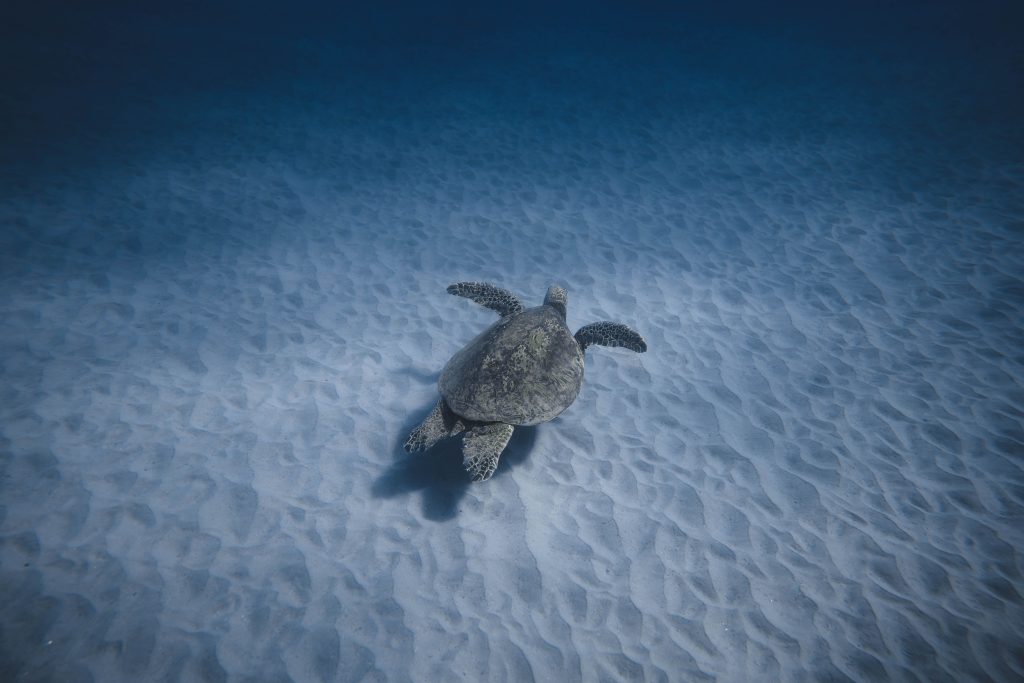
Timing matters when it comes to visibility and marine life activity. The calmer, clearer months along Kerala’s coast — generally outside the peak monsoon season — tend to offer the best underwater visibility for scuba diving in Kovalam. Clearer water means a better chance of spotting turtles, rays, and reef fish, and a more comfortable, relaxed dive overall for beginners still getting used to the underwater environment. Checking current sea conditions with your dive center before booking is always a smart move, and a reputable operator will always prioritize safety over pushing a dive in poor conditions.
Why Every Dive at Bond Safari Also Supports Turtle Conservation
Responsible dive operators understand that marine wildlife isn’t a backdrop for entertainment — it’s a fragile ecosystem worth protecting. According to the IUCN Red List, several sea turtle species are classified as vulnerable or endangered, largely due to habitat loss, plastic pollution, and accidental bycatch in fishing gear. Organizations like Project AWARE, a global movement supported by PADI-certified dive centers, actively promote ocean conservation and responsible diving practices worldwide.
Choosing scuba diving in Kovalam with a PADI-affiliated, conservation-minded operator means your adventure indirectly supports awareness around marine protection. Divers are taught not to touch or chase marine life, to maintain neutral buoyancy so they don’t damage coral or seagrass, and to treat every underwater encounter — turtle or otherwise — as a privileged glimpse into someone else’s home.
Tips for First-Timers Booking Scuba Diving in Kovalam
If this is your first time considering scuba diving in Kovalam, a few simple tips can make the experience smoother and more enjoyable:
- Book with a certified operator. Look for PADI affiliation and trained instructors, not just anyone with a tank and a boat.
- Don’t worry if you can’t swim well. Most introductory programs, including Discover Scuba sessions, are designed for beginners with guided support throughout.
- Manage your expectations on wildlife sightings. Turtles and other marine life are wild animals, not performers — every sighting is a bonus, not a guarantee.
- Stay calm and breathe normally. Panicked breathing is the most common issue for first-timers; trust your training and your instructor.
- Bring a reusable water bottle and skip single-use plastics before your trip — small choices that support the same ocean health you’re there to enjoy.
Why Divers Choose Bond Safari for Scuba Diving in Kovalam
With so many options popping up along India’s coastline, it’s fair to ask why Bond Safari Kovalam has become a trusted name for scuba diving in Kovalam. A few reasons stand out:
- Experienced, international partnership. Bond Safari Kovalam works alongside Cool Divers SL from Spain, bringing globally tested diving standards to Kerala’s waters.
- PADI-aligned training structure. From Discover Scuba sessions to full Open Water certification, the programs follow internationally recognized standards rather than informal, unregulated setups.
- Focus on safety first. Every session begins with a thorough briefing, shallow water practice, and equipment checks, ensuring beginners never feel rushed or unprepared.
- A team that genuinely loves the ocean. Instructors who dive daily tend to notice details — a turtle resting near a rock, a ray gliding along the sand — that a less experienced guide might miss entirely.
- Boat-based access to better sites, rather than limiting divers to shallow shoreline patches with reduced visibility and less marine activity.
All of this adds up to an experience that feels less like a rushed tourist attraction and more like a proper introduction to the underwater world — which is exactly what makes scuba diving in Kovalam worth planning your trip around, rather than squeezing in as an afterthought.
Ready to Meet a Turtle Underwater?
Reading about turtles is one thing. Hovering weightlessly a few feet away from one, watching it glide past a reef with total indifference to your excitement, is an entirely different experience — the kind that tends to stick with people for years. That’s the magic behind scuba diving in Kovalam, and it’s exactly the experience Bond Safari Kovalam has spent years refining for divers of every skill level.
Whether you’re a complete beginner curious about trying it once, or someone chasing a PADI certification to dive anywhere in the world, there’s a program built for you. You can explore the full range of options on the Bond Safari Kovalam programs page, or head straight to the scuba diving in Kerala page to see what a day underwater actually looks like.
The ocean off Kovalam has been quietly hosting sea turtles for longer than almost any other creature on Earth. All that’s missing from that story is you. Book your scuba diving in Kovalam experience with Bond Safari today, and see for yourself what a 100-million-year-old survivor looks like up close.