
If you have ever dreamed of floating weightless beside a creature with a ten-foot wingspan, a brain bigger than any other fish on the planet, and the grace of a silent glider cutting through blue water, then Manta Ray Scuba Diving Kerala should be at the very top of your bucket list. Few encounters in the ocean feel as humbling, or as thrilling, as locking eyes with a manta ray as it circles you in open water.
At Bond Safari Kovalam, we get to witness this magic first-hand. Kerala’s coastline is a gateway to one of the most biodiverse marine ecosystems in the Indian Ocean, and Manta Ray Scuba Diving Kerala experiences here are quickly becoming some of the most requested trips among our divers. In this blog, we are going to unpack ten absolutely mind-blowing facts about manta rays, explain why they are so special, and show you exactly how you can experience Manta Ray Scuba Diving Kerala for yourself right here in Kovalam.
Grab a cup of chai, settle in, and get ready to fall in love with the ocean’s gentlest giants.
Why Manta Ray Scuba Diving in Kerala Captures Every Diver’s Heart
Before we dive into the facts, let’s talk about why Manta Ray Scuba Diving is such an unforgettable experience. Unlike sharks, which many divers approach with a mix of awe and nervousness, manta rays radiate calm. They have no stinger, no teeth capable of harming a human, and an almost curious personality that makes them seem like they are just as interested in you as you are in them.
When you go Manta Ray Scuba Diving, you are not just ticking off a checklist item. You are entering a relationship with the ocean that very few people ever get to experience. Divers often describe the moment a manta glides overhead as one of the most spiritual experiences of their lives. The shadow passes over you, the water goes quiet, and for a few seconds, you feel completely connected to the wild.
That feeling is exactly what we want every guest at Bond Safari Kovalam to walk away with.
Fact 1: Manta Rays Can Have a Wingspan Wider Than a Bus
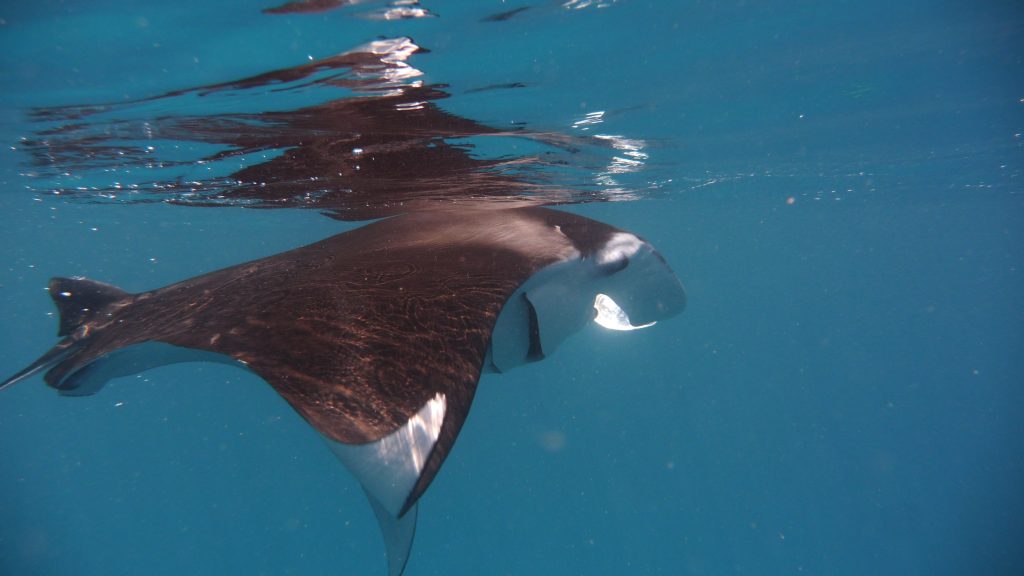
The most obvious fact about manta rays is also the most jaw-dropping: size. The oceanic manta ray (Manta birostris) can reach a wingspan of up to 7 meters (23 feet), while the reef manta ray (Manta alfredi), more commonly seen in shallower coastal waters, typically reaches 3 to 5 meters. To put that in perspective, that’s wider than a city bus, gliding silently through the water with barely a ripple.
Despite their enormous size, manta rays are incredibly graceful swimmers. Their pectoral fins move in slow, rhythmic waves, almost like they are flying rather than swimming. This is exactly why Manta Ray Scuba Diving feels less like observing a fish and more like watching an underwater ballet performed by a creature the size of a small aircraft.
Fact 2: They Have the Largest Brain-to-Body Ratio of Any Fish
Here’s something most people don’t know: manta rays have the largest brain relative to body size of any fish species on Earth. Their brains contain a specialized structure called the rete mirabile, which helps keep their brain warm even in cold, deep water, allowing for enhanced cognitive function.
Studies have shown that manta rays can recognize themselves in mirrors, a trait linked to self-awareness that is extremely rare in the animal kingdom and shared by very few species like dolphins, elephants, and great apes. This level of intelligence is part of what makes Manta Ray Scuba Diving so magical. You are not interacting with a mindless creature; you are interacting with an animal that may genuinely be curious about you.
Fact 3: Manta Rays Are Gentle Filter Feeders
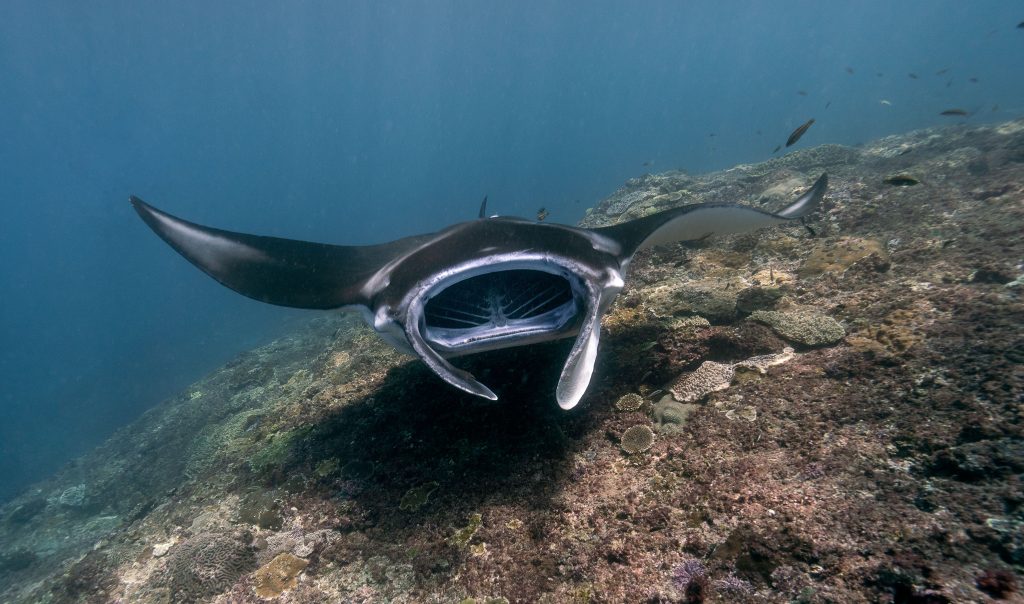
Despite their massive size, manta rays pose zero threat to humans because they feed exclusively on some of the smallest organisms in the ocean: zooplankton. As they swim, they open their enormous mouths and funnel water through specialized gill plates that filter out plankton, small fish, and fish eggs.
A single adult manta ray can consume up to 13% of its body weight in plankton every single week. This gentle diet is one of the biggest reasons why Manta Ray Scuba Diving is considered one of the safest wildlife encounters in the ocean. There is no bite risk, no venom, and no aggression, just a massive, peaceful filter-feeding machine cruising through the blue.
Fact 4: Their Cephalic Fins Work Like Built-In Scoops
Manta rays have two horn-like structures on either side of their mouths called cephalic fins (also known as cephalic lobes). These aren’t just for show. Mantas can curl these fins into a spiral shape while resting or unfurl them into a funnel shape while feeding, channeling plankton-rich water straight into their mouths.
This unique adaptation is actually where the manta ray gets its name. “Manta” comes from the Spanish and Portuguese word for “blanket” or “cloak,” a reference to early sailors who thought the animal’s shape and cephalic fins resembled a cloak or trap used to capture prey. When you experience Manta Ray Scuba Diving, watch closely for this fin movement. It is one of the coolest behavioral details you’ll ever witness underwater.
Fact 5: Every Manta Ray Has a Unique Spot Pattern
Just like a human fingerprint, the pattern of spots on the underside of a manta ray’s belly is completely unique to that individual. Marine biologists and citizen scientists around the world use these spot patterns to identify and track individual mantas over years, sometimes decades, through photo identification databases.
This means that during your Manta Ray Scuba Diving experience, you could photograph a manta that has been tracked for years, contributing valuable sightings data to global conservation databases like those maintained by the Manta Trust. Every dive has the potential to be part of real citizen science.
Fact 6: Manta Rays Visit “Cleaning Stations” Like a Spa Day
One of the most fascinating behaviors you can witness during Manta Ray Scuba Diving is a visit to a cleaning station. These are specific reef locations where small fish, like wrasses and butterflyfish, gather to feed on parasites, dead skin, and algae from larger animals like manta rays.
Mantas will often hover motionless above a cleaning station for several minutes, allowing cleaner fish to swim in and out of their gill slits and across their bodies. It is essentially an underwater spa day, and divers lucky enough to spot one get a front-row seat to one of the ocean’s most cooperative relationships.
Fact 7: They Can Leap Completely Out of the Water
Despite weighing up to 1,350 kilograms (nearly 3,000 pounds), manta rays are capable of breaching, launching their entire bodies out of the water and crashing back down with a massive splash. Scientists believe this behavior may serve several purposes: removing parasites, communicating with other mantas, or simply play.
While breaching is more commonly observed from boats than during actual dives, knowing that these gentle giants are capable of such explosive athleticism adds another layer of wonder to every Manta Ray Scuba Diving trip. You never quite know what you might witness on any given day in the water.
Fact 8: Manta Rays Are Ovoviviparous and Reproduce Very Slowly
Manta rays give birth to live young, typically just one pup every two to three years, after a gestation period of about a year. Pups are born fully capable of swimming and are already about 1.3 meters wide at birth.
This extremely slow reproductive rate is one of the reasons manta ray populations are so vulnerable to overfishing and habitat degradation. It also means that responsible, low-impact tourism like the Manta Ray Scuba Diving experiences we offer at Bond Safari Kovalam plays a crucial role in showing that these animals are worth far more alive than caught for their gill plates, which are unfortunately still used in some traditional medicine markets.
Fact 9: Manta Rays Can Travel Thousands of Kilometers
Oceanic manta rays are highly migratory, with tagged individuals recorded traveling more than 1,000 kilometers in a single journey. They move between feeding grounds, cleaning stations, and breeding areas, often following seasonal plankton blooms driven by ocean currents and monsoon patterns.
This migratory behavior is part of why certain coastal stretches along the Indian Ocean, including areas near Kerala, occasionally see incredible manta ray activity during specific seasons. Understanding these patterns helps dive operators like Bond Safari plan the best possible Manta Ray Scuba Diving trips for our guests.
Fact 10: Manta Rays Have No Natural Predators (Except One)
Adult manta rays have very few natural predators in the ocean. Large sharks, such as tiger sharks and great hammerheads, are among the only animals capable of preying on them, and even then, only occasionally target manta rays. The real threat to manta ray populations worldwide comes from humans, through targeted fishing for gill plates, bycatch in commercial fishing nets, and habitat destruction from coastal development.
This is exactly why responsible marine tourism matters so much. Every time someone chooses Manta Ray Scuba Diving with a certified, conservation-minded operator instead of supporting harmful fishing practices, it sends a signal that these animals are more valuable alive, swimming free, and inspiring divers from around the world.
What Manta Ray Scuba Diving in Kerala Actually Looks Like
Now that you know why manta rays are so extraordinary, let’s talk about what an actual Manta Ray Scuba Diving experience looks like when you dive with Bond Safari in Kovalam.
Kovalam sits along Kerala’s stunning coastline, where the warm waters of the Arabian Sea create a rich feeding ground for plankton, small fish, and the larger marine life that follows them, including manta rays, whale sharks, and a wide variety of reef species. Our dive sites are chosen specifically because they offer divers of different experience levels the chance to explore healthy reef structures, rocky outcrops, and open water zones where pelagic species are known to pass through.
A typical Manta Ray Scuba Diving day with us begins early in the morning, when ocean visibility tends to be at its best and water conditions are calmest. Our PADI-certified instructors brief every diver thoroughly on safety procedures, marine life etiquette, and what to expect at each specific site. We take our responsibility as guides to the underwater world seriously, which means every dive prioritizes both your safety and the wellbeing of the animals we are lucky enough to encounter.
Short Paragraphs, Big Moments
We keep our briefings clear and our group sizes manageable. This isn’t a crowded tour boat experience. It’s an intimate, guided journey into the underwater world, built around giving you the best possible chance of a genuine wildlife encounter, not just a swim in open water.
Best Time for Manta Ray Scuba Diving in Kerala
Timing matters when it comes to marine wildlife encounters. While manta ray sightings can never be guaranteed anywhere in the world (that’s part of what makes them so special), certain seasonal conditions increase the odds significantly.
Along Kerala’s coast, the post-monsoon months typically bring calmer seas, improved visibility, and increased plankton activity, which in turn attracts filter feeders like manta rays closer to accessible dive zones. Our team at Bond Safari monitors ocean conditions closely and will always give you an honest assessment of current sightings trends before you book your Manta Ray Scuba Diving trip, because we believe in setting realistic expectations while still delivering an incredible underwater experience regardless of what swims by.
Who Can Try Manta Ray Scuba Diving in Kerala?
One of the most common questions we get is whether someone needs to be an expert diver to have a chance at a manta ray encounter. The honest answer is that it depends on the specific site and conditions, but Bond Safari offers options across the experience spectrum.
- Beginners: If you are new to diving, our introductory sessions and PADI Open Water course will build your comfort and skills in the water, preparing you for future encounters with larger marine life.
- Certified divers: If you already hold a certification, our guided Manta Ray Scuba Diving excursions take you directly to sites known for pelagic activity.
- Advanced divers: For those looking to go deeper and further, our advanced and specialty courses open up additional dive sites where larger marine species are more frequently spotted.
No matter your experience level, our instructors tailor each trip to match your comfort and skill, because we want every single guest to leave the water with a smile, not just certified divers chasing bucket-list encounters.
Why Choose Bond Safari for Manta Ray Scuba Diving in Kerala
There are a lot of dive operators along India’s coastline, but here’s what sets Bond Safari apart when it comes to Manta Ray Scuba Diving:
- PADI-Certified Instructors: Every dive is led by trained, certified professionals who prioritize safety above everything else.
- Small Group Sizes: We limit group numbers so every diver gets personalized attention and a better chance at meaningful wildlife encounters.
- Conservation-First Approach: We follow strict no-touch, no-chase guidelines around all marine life, including manta rays, to protect their natural behavior and habitat.
- Local Ocean Expertise: Our team has spent years studying Kovalam’s underwater terrain, currents, and seasonal wildlife patterns.
- Full Gear and Safety Support: From regulators to buoyancy control devices, every piece of equipment is inspected and maintained to the highest standard.
If you have been searching for the right place to try Manta Ray Scuba Diving in India, Kovalam offers a rare combination of accessibility, biodiversity, and genuinely passionate dive professionals.
What to Bring for Your Manta Ray Scuba Diving Kerala Adventure
Preparation makes a huge difference in how much you enjoy your day underwater. Here is a simple checklist before your Manta Ray Scuba Diving trip with Bond Safari:
- A reef-safe sunscreen (to protect both your skin and the coral ecosystem)
- A swimsuit and a light rash guard
- A GoPro or underwater camera if you want to capture the moment
- A change of clothes and a towel for after the dive
- An open mind and a sense of adventure
Everything else, including tanks, wetsuits, masks, fins, and safety gear, is provided and maintained by our team.
The Bigger Picture: Manta Rays and Ocean Conservation
Manta rays are currently listed as Vulnerable on the IUCN Red List, largely due to targeted fishing and accidental bycatch. Organizations like the Manta Trust work globally to research and protect these animals, using data collected from divers and researchers around the world, including photo identification from dive encounters.
This is part of why we believe Manta Ray Scuba Diving Kerala is about more than adventure. Every responsible encounter helps build a stronger case for marine protection. When local communities and tourists alike see the economic and emotional value of a living manta ray gliding through the water, it becomes far easier to argue against the fishing practices that threaten their survival.
At Bond Safari, we also encourage our divers to log and report any manta ray sightings, contributing directly to a growing body of citizen science data that helps researchers understand migration patterns along India’s coastline.
Manta Rays vs. Other Rays: What Makes Them Different?
It’s worth clarifying something many first-time divers ask: are manta rays the same as stingrays? Not even close. Unlike stingrays, manta rays have no venomous barb and pose no sting risk to humans. Their mouths are positioned at the front of their heads (unlike most rays, which have mouths on their underside), an adaptation specifically suited to filter feeding rather than bottom hunting.
This distinction matters for anyone nervous about their first Manta Ray Scuba Diving experience. There is simply nothing to fear from these animals. Their entire biology is built around gentle, filter-based feeding and graceful movement through open water, not defense or predation.
Combine Manta Ray Scuba Diving with Kerala’s Coastal Charm
Kovalam isn’t just a dive destination, it’s one of Kerala’s most iconic coastal towns, known for its crescent-shaped beaches, laid-back cafes, and stunning sunset views over the Arabian Sea. After a morning of Manta Ray Scuba Diving, many of our guests spend the rest of their day relaxing on Lighthouse Beach, sampling fresh Kerala seafood, or booking one of our other water sports experiences, including parasailing and snorkeling.
If you’re planning a full ocean-themed itinerary, check out our PADI diving courses to build your skills before your trip, or read our blog on sea turtle encounters in Kovalam for another unforgettable marine wildlife experience available right here on our coastline.
Manta Ray Species Found in Indian Ocean Waters
There are two recognized manta ray species: the oceanic manta ray (Manta birostris) and the reef manta ray (Manta alfredi). Both species have been recorded across various parts of the Indian Ocean, with reef mantas generally favoring shallower coastal habitats closer to reefs and cleaning stations, while oceanic mantas roam further offshore and dive to greater depths in search of plankton blooms.
For divers hoping to try Manta Ray Scuba Diving along India’s western coastline, reef mantas are typically the more accessible species, since their preferred habitat overlaps with the kind of shallow reef systems our dive boats can reach comfortably within a single-tank excursion. Oceanic mantas, while less frequently encountered, occasionally pass through deeper channel systems during migration season, adding an extra layer of excitement to advanced-level dives.
Understanding this distinction helps set realistic expectations. A reef manta sighting near a cleaning station is a very different experience from spotting an oceanic manta cruising through open blue water, but both are equally unforgettable moments during a Manta Ray Scuba Diving trip.
How Bond Safari Chooses Manta Ray Scuba Diving Sites in Kerala
Not every dive site is created equal when it comes to pelagic wildlife. Our instructors select sites for Manta Ray Scuba Diving based on a combination of factors:
- Current patterns: Manta rays often follow specific current lines that concentrate plankton, so we track tidal and current data before choosing a site each morning.
- Historical sighting logs: Bond Safari maintains records of past encounters, helping us identify which reef structures and depths have produced the most consistent sightings over time.
- Water clarity: Visibility directly affects your chances of spotting a manta ray from a distance, so we prioritize sites with the clearest conditions on any given day.
- Group skill level: Some of the best pelagic sites require stronger buoyancy control and comfort in open water, so we match site selection to the certification and experience level of each group.
This data-driven approach means that every Manta Ray Scuba Diving trip is planned with intention, not guesswork. We want your time in the water to count.
Photographing Manta Rays: Tips from Our Instructors
If you’re bringing an underwater camera along for your Manta Ray Scuba Diving trip, a few simple techniques can dramatically improve your shots:
- Stay low and let them come to you. Chasing a manta ray almost always results in it swimming away. Staying calm and positioning yourself below or beside its expected path gives you a much better chance at a close encounter.
- Use natural light whenever possible. Strobes and flash can sometimes startle marine life. Shooting during peak sunlight hours (typically mid-morning) gives you the best natural lighting for wide-angle shots.
- Capture the belly pattern. Since spot patterns are unique to each individual, a clear shot of the underside can later be submitted to global identification databases, contributing to real conservation research.
- Keep a respectful distance. Not only is this an ethical requirement, it also tends to produce more natural, undisturbed behavior shots, which almost always make for better photographs anyway.
Our instructors are happy to help position you for the best possible photo opportunities during your Manta Ray Scuba Diving trip, without ever compromising the animal’s comfort or safety.
A Day in the Life of a Bond Safari Manta Ray Scuba Diving Kerala Trip
To give you a clearer picture of what to expect, here’s a rough timeline of a typical Manta Ray Scuba Diving excursion with our team:
7:00 AM – Arrival and check-in at our Kovalam dive center, followed by a gear fitting session.
7:30 AM – Safety briefing covering hand signals, emergency procedures, and marine life etiquette specific to manta ray encounters.
8:00 AM – Boat departure toward the day’s selected dive site, chosen based on current conditions and recent sighting reports.
8:30 AM to 9:30 AM – First dive of the day, typically the best window for Manta Ray Scuba Diving due to calmer waters and improved visibility.
9:30 AM to 10:30 AM – Surface interval, snacks, and a chance to review footage or photos from the first dive.
10:30 AM to 11:30 AM – Optional second dive, often at a different site to maximize variety and sighting chances.
12:00 PM – Return to shore, gear rinse, and a debrief session where instructors log any wildlife sightings, including manta ray encounters, into our internal database.
This structure ensures that every Manta Ray Scuba Diving guest gets a full, well-paced day in the water without feeling rushed or overwhelmed.
What Past Divers Say About Manta Ray Scuba Diving in Kerala with Bond Safari
Guests consistently describe their Manta Ray Scuba Diving experience with us as one of the highlights of their trip to Kerala. Many first-time divers arrive nervous about being in open water with such a large animal, only to leave saying it was one of the calmest, most awe-inspiring wildlife encounters of their lives. Repeat divers often return specifically hoping for another manta ray sighting, sometimes booking multiple trips across their stay just to increase their chances.
This kind of feedback is exactly why we continue to refine our Manta Ray Scuba Diving program every season, incorporating new site data, instructor training, and safety protocols to make each trip better than the last.
Frequently Asked Questions About Manta Ray Scuba Diving in Kerala
Are manta ray sightings guaranteed during a dive? No wildlife encounter in the open ocean can ever be 100% guaranteed, and that includes Manta Ray Scuba Diving. However, our instructors use years of local knowledge and seasonal data to maximize your chances at the right sites and times.
Is Manta Ray Scuba Diving safe for beginners? Yes, with proper training. Manta rays are non-aggressive, non-venomous animals, but we still recommend at least a basic Open Water certification before attempting dives in open water zones where mantas are more commonly spotted.
How deep do you need to dive to see a manta ray? Manta rays are often seen at cleaning stations in relatively shallow reef areas, sometimes as shallow as 5 to 15 meters, making sightings accessible even to newer divers under proper guidance.
Can I touch a manta ray if I see one? No. Touching manta rays can remove the protective mucus layer on their skin, making them vulnerable to infection. At Bond Safari, we strictly enforce a look-but-don’t-touch policy during every Manta Ray Scuba Diving trip.
What other marine life might I see during the dive? Besides manta rays, Kovalam’s waters are home to sea turtles, colorful reef fish, moray eels, and occasionally reef sharks, making every dive a rich, multi-species experience.
Ready to Try Manta Ray Scuba Diving in Kerala?
There is nothing quite like the moment a manta ray glides silently overhead, its massive wingspan casting a shadow across the reef below. It’s an experience that stays with you long after you’ve dried off and gone home, one of those rare moments where the ocean reminds you just how vast, intelligent, and beautiful the underwater world really is.
At Bond Safari Kovalam, we have built our entire diving program around giving you the safest, most memorable, and most conservation-conscious path to encounters like this. Whether you are a first-time diver curious about the ocean or an experienced diver chasing your next big wildlife moment, Manta Ray Scuba Diving with us is an experience designed to exceed expectations.
Don’t just read about manta rays. Come meet them, right here on Kerala’s coast.
Book your Manta Ray Scuba Diving Kerala adventure with Bond Safari Kovalam today and get ready to explore one of the most breathtaking underwater worlds in India. For questions, custom trip planning, or group bookings, contact our dive team and we’ll help you plan the perfect day beneath the waves.