
Imagine drifting a few metres below the surface of the Arabian Sea, your breath slow and steady, the world above reduced to a faint shimmer of light. Then you notice something on the sandy bottom that looks like a fat, lumpy sausage. It does not swim. It barely moves. And yet it is one of the most remarkable animals in the ocean. Welcome to the world of sea cucumbers and scuba diving at Kovalam, where curiosity meets adventure.
Most people who dream about diving picture colourful fish, glowing coral and maybe a turtle gliding past. Very few picture the humble sea cucumber. That is a shame, because this strange creature can melt its own body, regrow its organs, host tiny fish in its backside and clean the seafloor like a quiet underwater gardener.
In this guide, we will explore 15 amazing sea cucumber facts that will change how you look at the ocean floor. Then we will take you to Kovalam, the beloved beach town on the Kerala coast, and show you how Bond Safari turns a first-time curiosity into an unforgettable underwater experience.
Whether you are a student planning a weekend escape, a traveller ticking off bucket-list adventures, or a nature lover who simply wants to understand the sea better, this article is for you. Grab a cup of chai, settle in, and let us dive.
What Exactly Are Sea Cucumbers?
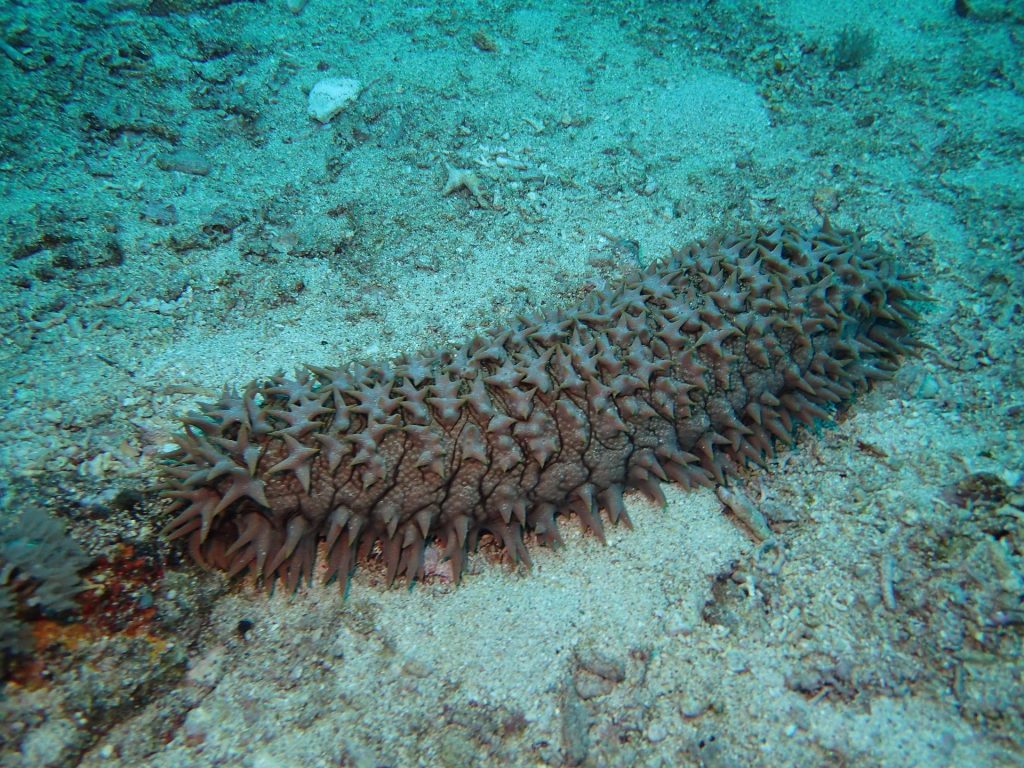
Despite the name, a sea cucumber is not a vegetable and it is not a plant. It is an animal. Sea cucumbers belong to a class called Holothuroidea, and they are part of a larger group known as echinoderms.
Echinoderms are the spiny-skinned animals of the sea. Their family includes starfish, brittle stars, sea urchins and sand dollars. If you have ever seen a starfish on a beach, you have met a distant cousin of the sea cucumber.
Scientists have described well over 1,700 species of sea cucumbers. They come in an astonishing range of shapes and colours. Some are black and smooth, some are speckled like leopards, some are covered in spiky bumps, and some are bright orange or purple.
They also vary hugely in size. Certain tiny species are only a few millimetres long. At the other extreme, a giant snake-like species can stretch to around three metres.
Sea cucumbers live in every ocean on Earth. You can find them in warm tropical shallows, in cold polar waters, and even in the deepest ocean trenches, where they are often the most abundant animals on the seafloor.
As a result, when people talk about sea cucumbers and scuba diving at Kovalam, they are talking about something truly global. The same family of animals you spot near the Kerala coast also lives thousands of kilometres away, in places most humans will never see.
Sea Cucumbers and Scuba Diving at Kovalam: Why This Pairing Works
Scuba diving is about slowing down. The best divers are not the fastest or the strongest. They are the most observant. They notice the small things, the quiet things, the things most people swim straight past.
Sea cucumbers reward exactly that kind of patience. When you hover calmly above the seabed, you begin to see how busy it really is. Tiny shrimps hitch rides. Small crabs scuttle through sand. A sea cucumber works its way slowly forward, feeding as it goes.
Kovalam is a wonderful place to learn this kind of mindful exploration. The coastline is famous for its crescent beaches and its lighthouse, but beneath the waves lies a different kind of beauty. Rocky patches, sandy stretches and reef structures create habitats for a wide mix of marine life.
That is why sea cucumbers and scuba diving at Kovalam make such a charming combination. Learning about the animals before you dive makes every minute underwater richer, because you know what you are looking at and why it matters.
Think of it like visiting a museum with a great guide rather than wandering alone. The exhibits are the same, but the experience is far deeper.
15 Amazing Sea Cucumber Facts
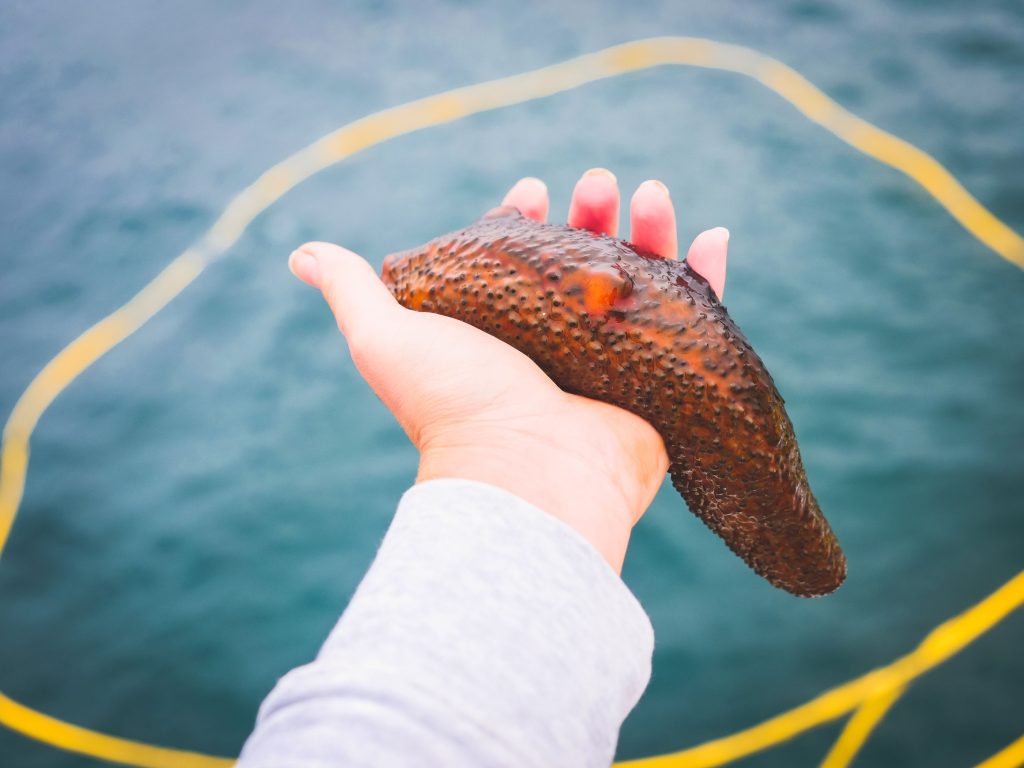
Here are the facts that make sea cucumbers some of the most fascinating creatures in the ocean. Read them now, and you may well spot a few of these behaviours on your very next dive.
1. Sea Cucumbers Have No Brain
This one surprises almost everyone. A sea cucumber has no centralised brain at all. Instead, it has a ring of nerve tissue around its throat, with nerves running along the body.
It may sound simple, but this system works perfectly for a slow animal that feeds on the seafloor. It senses touch, light and chemicals in the water, and it responds accordingly.
2. They Breathe Through Their Bottoms
Here is a fact that always makes new divers laugh. Many sea cucumbers breathe using structures called respiratory trees, which are branching tubes inside the body.
Water is pumped in and out through the anus, so oxygen is absorbed inside. In other words, the animal literally breathes through its rear end. Nature is wonderfully strange.
3. They Can Eject Their Organs to Escape Danger
When some sea cucumbers feel seriously threatened, they perform an extreme trick called evisceration. They push out part of their internal organs through the body wall, sometimes distracting or deterring a predator.
The animal usually survives. Over the following weeks, it regrows the lost organs. It is one of the most dramatic survival strategies in the animal kingdom.
4. Some Species Shoot Sticky Threads
Certain sea cucumbers have special structures called Cuvierian tubules. When disturbed, they release these long, sticky threads, which can tangle up a crab, a fish or another attacker.
The threads act like natural, sticky nets. They give the sea cucumber time to crawl away while the predator struggles. Many species do not have this ability, but those that do are masters of defence.
5. Their Bodies Can Turn Soft or Stiff in Seconds
A sea cucumber can change the firmness of its body wall remarkably quickly. This is thanks to a special kind of tissue that can shift between soft and rigid.
If the animal needs to squeeze into a narrow crevice, it softens and flows like thick liquid. If it needs to hold its position against a current, it stiffens up. Researchers study this tissue for its potential in materials science and medicine.
6. Pearlfish Sometimes Live Inside Them
This is perhaps the most unusual friendship in the sea. Some small, slender fish called pearlfish shelter inside sea cucumbers, entering through the anus to hide from predators.
Some pearlfish only visit for protection, while others spend a good part of their lives inside. It is a bizarre arrangement, but it works for the fish.
7. They Are Cleaners of the Seafloor
Many sea cucumbers are deposit feeders. They sweep up sand and sediment with their tentacle-like feeding structures, digest the organic matter in it, and release cleaner sand behind them.
In this way, they turn over and recycle seafloor sediments. Scientists call this process bioturbation, and it helps keep the seabed healthy and full of oxygen.
8. They Help Fight Ocean Acidification
This fact is a quiet hero story. As sea cucumbers digest sediment, their bodies and waste can help buffer the surrounding water chemistry, releasing alkaline compounds.
Research suggests this may help local reef areas cope with rising acidity linked to climate change. It is not a magic cure, but it shows how important these animals are to healthy marine systems.
9. They Use Tiny Tube Feet to Move
Like their starfish cousins, sea cucumbers have tube feet. These are small, flexible, water-powered structures that let them grip surfaces and crawl slowly along the bottom.
A sea cucumber is no sprinter. Some species move just a few metres in an hour. But it does not need to rush. Its food is all around it.
10. Their Skin Contains Microscopic Skeleton Pieces
A sea cucumber looks soft, but its skin contains thousands of tiny, hard pieces called ossicles. They are made of calcium carbonate and come in beautiful shapes such as wheels, anchors and plates.
Scientists often identify sea cucumber species by examining these microscopic structures under a microscope. They are like fingerprints hidden in the skin.
11. They Can Regrow Lost Body Parts
Regeneration is a superpower among echinoderms, and sea cucumbers are champions. If they lose organs, they can grow them back. Some species can even recover from being cut in two, depending on the situation.
This ability fascinates medical researchers, who study how these animals repair tissue without scarring.
12. Some Species Sleep Through Hot or Harsh Seasons
Certain sea cucumbers enter a resting state similar to hibernation, called aestivation, when conditions are difficult. They reduce activity, and some even shrink their internal organs.
When conditions improve, they wake up and start feeding again. It is a clever way to save energy.
13. They Have Been Part of Human Culture for Centuries
Dried sea cucumbers, known as bêche-de-mer or trepang, have been traded across Asia for hundreds of years. In some cultures, they are valued as food and in traditional practices.
That demand has unfortunately led to heavy overfishing in many parts of the world. Understanding their value alive, as part of a living reef, is more important than ever.
14. Most Sea Cucumbers Release Eggs and Sperm Into the Water
Most species have separate males and females. During spawning, they release eggs and sperm into the open sea, where fertilisation takes place.
Some species rear up on their bodies to release them higher in the water, which helps spread them further. A few species even brood their young.
15. They Live From Shallow Reefs to the Deepest Trenches
Sea cucumbers have conquered the ocean from top to bottom. In the deepest trenches, they can make up the vast majority of living animal mass on the seafloor.
That means these soft, slow animals are among the most successful creatures on the planet. Not bad for something that looks like a lumpy sausage.
Why Sea Cucumbers Matter to Our Oceans
Now that you have met the cast, it is worth asking a bigger question. Why should anyone care about these animals?
The answer is simple. Healthy oceans depend on healthy seabeds, and sea cucumbers are essential workers of the seabed. They recycle nutrients, aerate sediment and support a web of smaller organisms.
When sea cucumbers disappear from an area, the effects can ripple outward. Sediments can become stagnant. Algae and disease can build up. Small animals that depend on clean sand may decline.
In short, protecting sea cucumbers means protecting the whole ecosystem. This is a message every diver should carry, because divers are among the few people who see these animals alive in their natural homes.
Many divers describe a shift in attitude after learning about marine invertebrates. You start by chasing big, famous animals. You end by appreciating the small, quiet ones that hold the ocean together.
Sea Cucumbers in India: Protection and Responsibility
India is home to a rich variety of sea cucumber species, found around the Gulf of Mannar, the Andaman and Nicobar Islands, Lakshadweep and other coastal regions.
Because of heavy exploitation for international trade, sea cucumbers were placed under strong legal protection in India. Harvesting, possessing and trading them is prohibited under wildlife protection law, and violations can lead to serious penalties.
For a diver or a traveller, the rule is easy to remember. Never collect, touch for fun, or remove any marine animal from the sea. Your photographs and memories are the only souvenirs you should take home.
This is also why guided diving with a responsible operator is so valuable. A good instructor will teach you how to observe marine life without disturbing it, and will explain why every creature, big or small, deserves respect.
Meet Kovalam: Kerala’s Seaside Jewel
Kovalam sits on the Kerala coast, close to the capital city of Thiruvananthapuram. It is known for its sweeping beaches, swaying coconut palms, a famous lighthouse and a relaxed, welcoming atmosphere.
For decades, travellers have come here to watch sunsets, enjoy fresh seafood, try Ayurvedic treatments and simply slow down. But in recent years, more and more visitors have discovered that the real magic is below the surface.
Scuba diving at Kovalam offers a chance to see the Arabian Sea from the inside. Rocky outcrops and reef structures attract marine life, while sandy patches offer homes for creatures such as sea cucumbers, crabs and shrimps.
What you see on any given day depends on the season, the weather and the water conditions. That is part of the thrill. No two dives are exactly alike, and every descent feels like opening a surprise gift.
For beginners, Kovalam has another advantage. It is a place where you can combine a relaxed holiday with a bold new skill. You can spend the morning breathing underwater and the evening with your feet in warm sand.
Scuba Diving at Kovalam with Bond Safari
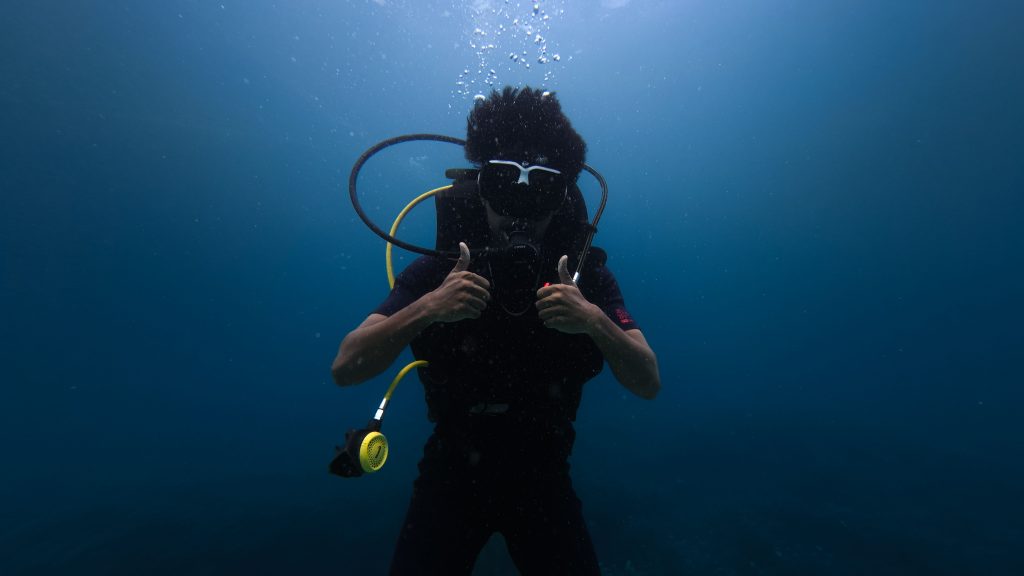
This is where the adventure becomes real. Bond Safari brings together passion for the ocean and a love of sharing it with others. If you have ever wanted to try scuba diving at Kovalam but felt nervous about where to start, this is your invitation.
Bond Safari focuses on making the first dive feel safe, exciting and welcoming. You do not need to be an athlete. You do not need to be an expert swimmer. You simply need curiosity and a sense of adventure.
A Beginner-Friendly Start
Many first-time divers worry about breathing underwater. It feels unnatural at first. That is completely normal, and a good instructor knows exactly how to guide you through it.
Your experience begins on land with a clear briefing. You learn the basic hand signals, how your equipment works, and how to stay calm and relaxed. Then you practise your first breaths in shallow water before heading deeper.
By the time you descend, you are not a stranger to the process. You are a diver in the making.
Safety Comes First
Excitement is wonderful, but safety is everything. Responsible scuba diving at Kovalam means trained guides, proper equipment checks and a calm, step-by-step approach.
Bond Safari puts the diver first. Briefings are clear, instructions are simple and you are never expected to do more than you feel ready for. If you feel uneasy, you signal, and your guide is right there with you.
Small Moments That Become Big Memories
What do people remember most about their first dive? Not usually the equipment or the technical details. They remember the moment they realised they were breathing underwater.
They remember the silence, the soft blue light, and the feeling of floating in a world that belongs to someone else. They remember the first fish that swam right up to their mask.
And if you are lucky, they remember the moment they spotted a sea cucumber on the sand, and suddenly understood that even the quietest creature has a story.
Your Story Deserves to Be Shared
First dives deserve to be celebrated. Bring a friend, a sibling, a partner or a group of college mates. Diving together turns a simple outing into a shared story that you will talk about for years.
There is something special about surfacing together, pulling off your masks and grinning at each other with salt on your lips. That is the kind of moment Bond Safari loves to create.
What to Expect on Your Scuba Diving Day at Kovalam
If you are planning your first dive, a little preparation goes a long way. Here is a simple picture of how a typical introductory dive day unfolds.
Arrival and Welcome
You arrive at the meeting point, meet your guides and fellow divers, and complete a short health and comfort check. This is also the time to ask every question on your mind.
No question is silly. Instructors have heard them all, and they would rather you ask than worry.
Briefing and Equipment
Next comes the briefing. You will learn how the equipment works, how to breathe through the regulator, how to clear water from your mask and how to equalise the pressure in your ears.
Then you are fitted with your gear. A well-fitted mask and a comfortable wetsuit make a big difference to your confidence.
Practice in Shallow Water
Before going deeper, you practise the basic skills in calm, shallow water. This is where nervousness often melts away. Once you take those first few relaxed breaths underwater, something clicks.
The Dive Itself
Then comes the moment you have been waiting for. With your guide beside you, you descend slowly and begin to explore. Keep your movements gentle and your breathing slow and deep.
Look around, and look closely. Check the sand for movement. Look under ledges. Watch for small creatures hiding in plain sight. Remember what you learned about sea cucumbers, and see if you can spot one.
Surfacing and Celebrating
After your dive, you ascend slowly and safely, climb back aboard or onto the shore, and share the experience. This is often the happiest part of the day, full of laughter, stories and wide smiles.
Best Time and Tips for Scuba Diving at Kovalam
Conditions at sea change with the seasons, and good planning makes your dive far more enjoyable.
In general, the calmer months outside the heavy monsoon period offer better sea conditions and clearer water. The monsoon season can bring rough seas and reduced visibility, which is why diving is often paused or limited during those months.
The best way to choose your date is to check directly with your dive team. They know the local conditions and will tell you honestly whether it is a good time to go.
Here are a few simple tips to help you prepare.
- Rest well the night before. Tired divers have a harder time staying calm.
- Eat lightly. A heavy meal can make you uncomfortable in the water.
- Stay hydrated. Drink plenty of water, but avoid alcohol before diving.
- Tell your guide about any health concerns. Honesty keeps you safe.
- Bring sun protection and a towel. The Kerala sun is strong, even on cloudy days.
- Keep a flexible mindset. Sea conditions can change, and a good guide will always choose safety over schedule.
When you follow these simple steps, you give yourself the best chance of a smooth, joyful dive.
Diver Etiquette: Look, Do Not Touch
One of the most important lessons in scuba diving is also the simplest. Respect the sea.
Sea cucumbers may look tough, but they are delicate in their own way. Poking, lifting or squeezing them can cause stress, and in some species can trigger the release of defensive material.
Here is a quick guide to good behaviour underwater.
- Never touch or collect marine life. This is both respectful and legally important.
- Control your buoyancy. Floating just above the seabed prevents you from kicking up sand or damaging habitats.
- Keep your fins up and away from the bottom. Fins can easily harm small creatures and coral.
- Do not chase animals. Let them come to you, or simply enjoy watching from a distance.
- Leave nothing behind and take nothing with you. Shells, corals and creatures all belong to the sea.
Good divers leave no trace. Their only footprints are bubbles that rise and disappear.
Why Learning About Marine Life Makes You a Better Diver
There is a big difference between swimming through the sea and understanding it. When you know that a sea cucumber is an echinoderm, that it breathes through internal respiratory trees, and that it recycles seabed sediment, your dive becomes a living lesson.
You also become a better ambassador for the ocean. After your dive, you can share what you learned with friends and family, and help others see why marine conservation matters.
Curiosity is contagious. When one person talks excitedly about sea cucumbers, others start to listen. That is how small ripples of awareness grow into real change.
This is why sea cucumbers and scuba diving at Kovalam belong together. One gives you knowledge, the other gives you experience, and together they give you a deep and lasting love for the sea.
Planning Your Kovalam Adventure Beyond the Dive
Your trip does not have to end when you leave the water. Kovalam is full of ways to extend the adventure.
You can walk along the beach at sunrise, when the sand is quiet and the light is soft and golden. You can visit the lighthouse for sweeping views over the coast. You can try fresh Kerala seafood in a beachside cafe, or simply relax with a coconut in hand.
If you have extra time, nearby Thiruvananthapuram offers temples, museums and markets that show another side of Kerala’s culture.
Many travellers say the best itinerary is a balanced one. Spend the morning diving, the afternoon resting and the evening watching the sun sink into the Arabian Sea. It is a perfect rhythm for body and mind.
Frequently Asked Questions
Are sea cucumbers dangerous to divers?
No. Sea cucumbers are generally harmless to humans. Some species release a sticky or irritating substance when stressed, which is a good reason to observe them without touching.
Can I see sea cucumbers while scuba diving at Kovalam?
Sea life varies from day to day, and no guide can promise a specific sighting. However, sandy and rocky areas are the kind of habitat where sea cucumbers and many other small creatures are found. Patient, careful observation increases your chances.
Do I need to know how to swim to try scuba diving?
Basic comfort in water is important, and your instructor will explain the requirements before you begin. Introductory dives are designed for beginners, and you will be guided every step of the way.
Is scuba diving safe for first-timers?
When done with trained guides, proper equipment and careful briefings, introductory scuba diving is a safe and well-managed activity. Always follow instructions and be honest about your comfort level and health.
Is it legal to take sea cucumbers home?
No. Sea cucumbers are protected in India, and collecting or possessing them is prohibited. Always leave marine life where you found it.
Why are sea cucumbers important?
They recycle nutrients, clean seabed sediment and support healthy marine ecosystems. Without them, many ocean habitats would struggle.
Final Thoughts: Your Ocean Story Starts Here
Sea cucumbers may not win beauty contests, but they win hearts once you learn their secrets. They breathe in unexpected ways, defend themselves with astonishing tricks, regrow lost organs and quietly keep the seabed healthy.
And when you combine that knowledge with the thrill of exploring beneath the waves, something special happens. You stop being a visitor to the sea and start becoming a friend of it.
That is the promise of sea cucumbers and scuba diving at Kovalam. It is about wonder, curiosity and respect, all wrapped into one unforgettable experience.
So pack your sense of adventure, bring your friends and get ready for the dive of a lifetime. With Bond Safari by your side, your first breath underwater will be the start of a story you will tell for years.
The ocean is waiting. Are you ready to meet the sea cucumbers?