
Bycatch fishing in Kerala is one of the most overlooked threats to the Arabian Sea. Every day, boats leave Kerala’s harbours to catch prawns, sardines and mackerel. Along with the target catch, they haul up animals nobody ordered.
Baby sharks. Rays. Juvenile fish. Sea snakes. Sometimes even turtles and dolphins.
This unwanted catch is called bycatch. Most of it is dead or dying by the time it reaches the deck.
In this guide, you will learn what bycatch fishing in Kerala really means, why it happens, who it hurts, and what can be done. You will also discover how scuba diving at Bond Safari in Kovalam lets you see the marine life that bycatch puts at risk, with your own eyes.
If you have ever wondered what lives beneath Kerala’s waves, read on. The answer is more beautiful, and more fragile, than most people realise.
What Is Bycatch? A Simple Explanation
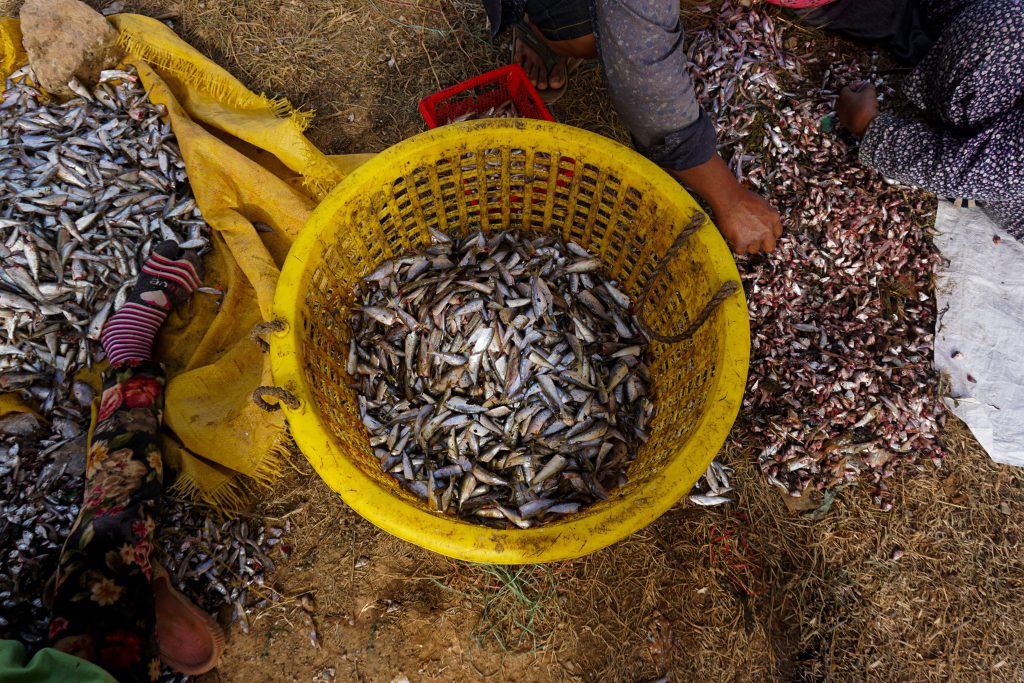
Bycatch is any animal caught unintentionally while fishing for something else. It includes species you did not want, animals too small to sell, and protected species you are not allowed to keep.
Some bycatch is kept and sold cheaply. Some is thrown back into the sea, usually dead. Fishers call part of it “trash fish”, although the label hides its true ecological value.
Bycatch falls into a few main groups:
- Juvenile fish of commercially valuable species
- Non-target fish such as small reef and bottom dwellers
- Sharks, skates and rays
- Sea turtles
- Marine mammals such as dolphins
- Invertebrates such as crabs, starfish and sea cucumbers
Globally, the Food and Agriculture Organization has estimated that bycatch amounts to millions of tonnes every year. Conservation groups like WWF have also warned that hundreds of thousands of sea turtles and small whales and dolphins die in fishing gear worldwide each year.
Bycatch fishing in Kerala is a local piece of this global puzzle. To understand it, we first need to understand Kerala’s fishing scene.
Why Bycatch Fishing in Kerala Is So Common
Kerala has a coastline of roughly 590 kilometres. Its fishing culture is centuries old, and lakhs of people depend on the sea directly or indirectly for their income.
The state’s coastal waters are rich. The Arabian Sea off Kerala is famous for oil sardine, mackerel, prawns, anchovies and seer fish. Harbours such as Neendakara, Sakthikulangara, Vizhinjam and Kochi handle huge volumes of landings.
That richness is exactly why bycatch fishing in Kerala is such a persistent problem. Several fishing methods catch everything in their path:
- Bottom trawling: A weighted net is dragged across the seabed. It scoops up prawns, but also fish, crabs, rays and anything else living on the bottom.
- Pelagic trawling and purse seining: These target schooling fish but can trap non-target species inside the net.
- Gillnets: Walls of net hang in the water. Turtles, dolphins, sharks and rays get tangled and drown.
- Longlines: Baited hooks designed for tuna or sharks can also hook turtles and other animals.
Because Kerala’s waters are so productive, nets rarely come up with just one species. Mixed catch is the norm.
Add rising fuel costs, bigger boats, finer mesh sizes and growing demand for fishmeal, and you get a system that pushes boats to land everything, even juveniles.
7 Shocking Truths About Bycatch Fishing in Kerala
Here are seven facts that every traveller, student and seafood lover should know.
1. Bycatch Fishing in Kerala Includes Juvenile Fish
One of the biggest concerns is the capture of baby fish before they can breed. Scientists at the Central Marine Fisheries Research Institute have repeatedly warned that landing undersized fish harms stocks.
When juveniles are caught, fewer fish reach adulthood. Fewer adults mean fewer eggs. Over time, the whole fishery shrinks.
Kerala has notified minimum legal sizes for dozens of commercially important species to address this. The challenge is enforcement across hundreds of landing centres.
2. The Oil Sardine Crash Shows What Is at Stake
Oil sardine is the soul of Kerala’s fish curry meals. Yet its landings have swung wildly. After peaking at several lakh tonnes around 2012, landings fell to only a few thousand tonnes in 2021, according to CMFRI figures.
Climate and ocean conditions play a major role. But scientists also point to heavy pressure on juvenile sardines as a contributing factor.
This is a clear warning. A species can look endless until it suddenly is not.
3. Sharks and Rays Are Caught Far More Than Most People Realise
Many sharks and rays are never targeted. They are simply caught as bycatch in trawls, gillnets and longlines.
These animals grow slowly, mature late and give birth to few young. That makes them extremely vulnerable. A population cannot bounce back quickly when adults and juveniles are both being removed.
Bycatch fishing in Kerala is therefore a serious concern for elasmobranchs, the group that includes sharks, skates and rays. India has tightened protections in recent years, and several species now appear in the schedules of the Wildlife (Protection) Act.
4. Sea Turtles Get Caught in Nets
Olive ridley, green and hawksbill turtles are found in Indian waters. They must surface to breathe. When they are caught in a trawl or gillnet, they cannot reach the surface and can drown within hours.
Turtle Excluder Devices, or TEDs, are escape hatches fitted into trawl nets. They allow turtles to exit while the catch stays in. India has promoted TEDs, especially in some states, but uptake across all fleets remains a challenge.
All sea turtles in India are protected by law. Even so, accidental capture happens.
5. Dolphins and Other Marine Mammals Are Also Victims
Small cetaceans such as dolphins can get entangled in gillnets. Because they breathe air, entanglement is often fatal.
Many incidents go unreported. Fishers fear penalties, and the carcass may simply be released back into the sea. That makes the true numbers of bycatch fishing in Kerala hard to measure.
6. A Large Share of Bycatch Is Wasted or Low-Value
A significant portion of bycatch is landed as low-value catch and sold for fishmeal, poultry feed or fertiliser. The rest may be discarded at sea.
This is a double loss. The ecosystem loses animals that played a role in the food web, and the economy gains very little from the same animals.
Experts often argue that it would be better to avoid catching them in the first place than to find uses for them afterward.
7. Lost Fishing Gear Keeps Killing for Years
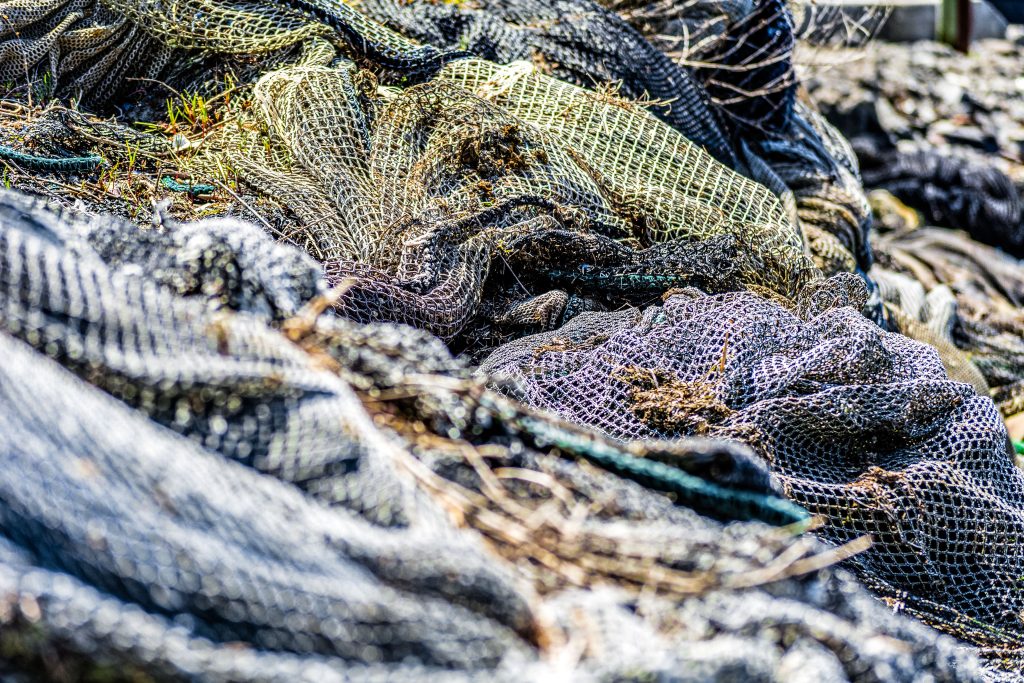
Nets and lines that are lost or abandoned are called ghost gear. They continue to trap fish, turtles and rays long after the boat has gone home.
Ghost nets also tangle on reefs and rocky outcrops, damaging corals and sponges. This is one reason why divers in many parts of the world now take part in clean-up dives.
Truth number seven shows that bycatch fishing in Kerala is not only about what comes up in the net. It is also about what is left behind underwater.
The Negative Impacts of Bycatch Fishing in Kerala
Bycatch is not just an environmental talking point. It affects ecosystems, livelihoods and tourism.
Ecological Damage
Removing predators like sharks and rays can unbalance marine food webs. Removing juvenile fish weakens future stocks. Dragging heavy trawl gear across the seabed also disturbs bottom habitats where many species live and feed.
Healthy reefs and rocky bottoms need a full cast of species. When bycatch fishing in Kerala keeps pulling that cast apart, the system loses resilience.
Economic Damage
Fishers invest in fuel, nets and labour. When fish stocks decline, catches fall and costs rise. Small-scale fishers, who often use less destructive gear, suffer first when large-scale trawling depletes the stock.
Marine tourism is also affected. Divers, snorkellers and beachgoers come to see healthy sea life. Fewer fish and fewer large animals mean a weaker tourism product over time.
Social Damage
Kerala’s fishing communities have faced conflicts between traditional fishers and mechanised fleets for decades. Bycatch and juvenile fishing add fuel to that tension.
Seasonal bans, such as the monsoon trawling ban, exist to protect breeding periods and reduce pressure. They are not popular with everyone, yet many scientists consider them essential.
Food Security Concerns
Fish is a staple protein in Kerala. If stocks of favourite species fall, prices rise and households feel the pinch. Bycatch fishing in Kerala, if left unchecked, may eventually reach the dinner table of every family.
What Is Being Done About Bycatch Fishing in Kerala?
The picture is not entirely bleak. Several measures already exist, and more are possible.
Monsoon trawl ban: Kerala enforces an annual ban of around 52 days during the monsoon. It protects spawning and gives stocks a rest.
Minimum legal size rules: Notified size limits discourage landing of juveniles of key species.
Mesh size regulations: Larger meshes let small fish escape.
Turtle Excluder Devices: TEDs reduce turtle deaths in trawls when properly fitted and used.
Legal protection for threatened species: Turtles, whale sharks and a growing list of sharks and rays are protected in India.
Awareness and community programmes: Research institutes, NGOs and fisher groups run workshops on safe release of entangled animals.
Technology and monitoring: Landing-centre surveys and electronic reporting can help track catch composition.
Still, regulation alone cannot solve bycatch fishing in Kerala. Enforcement is stretched, livelihoods are at stake and ocean conditions are changing. Public awareness and responsible tourism both play a role.
That is where the underwater world comes in.
Why You Should See the Underwater World With Your Own Eyes
It is easy to read statistics and feel nothing. It is much harder to ignore a living reef once you have floated above it.
Scuba diving changes how people think about the sea. You stop seeing “fish” as a menu item and start seeing animals with habits, homes and personalities. A parrotfish crunching coral. A moray eye peering from a crack. A school of fish turning in perfect unison.
Many divers return from their first dive as lifelong ocean advocates. That emotional shift matters. Conservation needs people who care, and caring begins with seeing.
Understanding bycatch fishing in Kerala gives your dive extra meaning. You will know how fragile the animals around you are, and you will notice what a healthy reef looks like.
Exploring the Underwater World at Kovalam
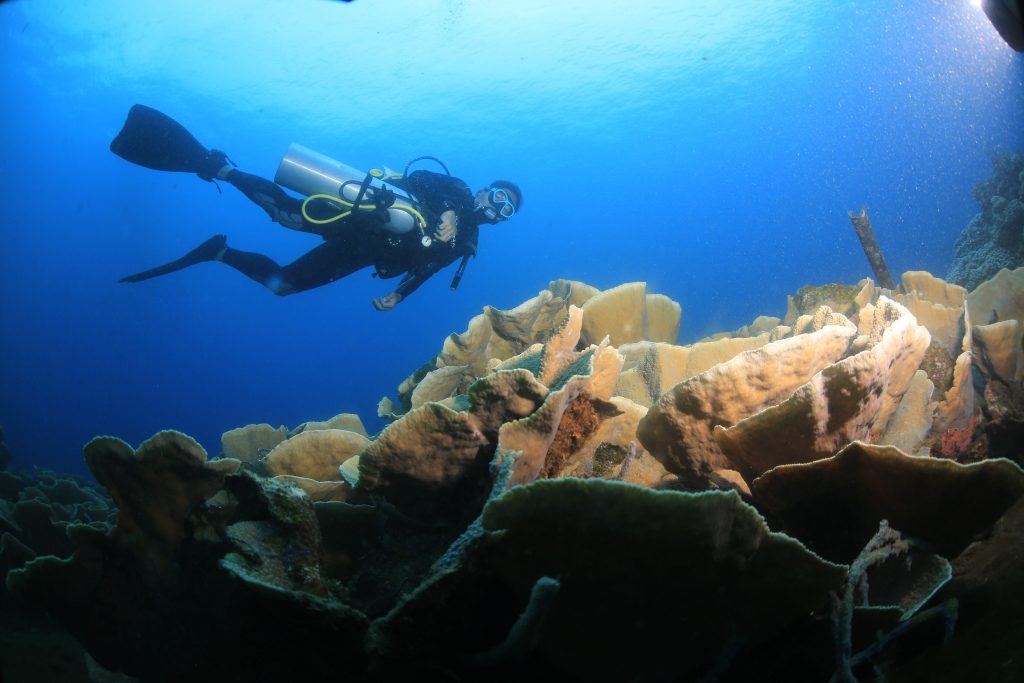
Kovalam is best known for its crescent beaches and lighthouse. Beneath the surface, the coastline has rocky reefs, boulders and sandy patches that attract an interesting mix of marine life.
Depending on the season, visibility and conditions, divers may encounter:
- Colourful reef fish and schooling fish
- Pufferfish and boxfish
- Moray eels tucked into crevices
- Octopus and cuttlefish
- Crabs, shrimps and other invertebrates
- Rays gliding over sand
- Sea turtles on lucky days
Wildlife sightings can never be guaranteed, and that is part of the thrill. Every dive is different.
Rocky reefs also provide shelter for juvenile fish. When you swim over them, you are seeing the nurseries that bycatch fishing in Kerala puts under pressure. That makes each healthy patch of reef precious.
Scuba Diving at Bond Safari Kovalam: Your Gateway to the Sea
Bond Safari Kovalam is a scuba diving and water sports centre that helps beginners and experienced divers explore the Arabian Sea safely. If you have never dived before, you do not need to be a swimming champion or an ocean expert.
Here is how a typical beginner experience works:
- Briefing: Your instructor explains the equipment, hand signals and safety rules in simple language.
- Gear-up: You are fitted with a mask, fins, regulator and buoyancy equipment.
- Practice in shallow water: You learn to breathe underwater and clear your mask.
- The dive: With a trained instructor by your side, you descend and explore.
- Debrief: You talk about what you saw and ask questions.
This is why scuba diving in Kovalam is a popular choice for first-timers, families and curious travellers.
For those who want more, there are PADI courses. The PADI Open Water Diver course is the world’s most popular entry-level certification. It qualifies you to dive with a buddy in many destinations around the globe. Some divers go further and train toward professional levels such as Divemaster and Instructor.
Learning to dive is not just a holiday activity. For many people, it becomes a career, a community and a calling.
How Scuba Divers Help Fight the Effects of Bycatch Fishing in Kerala
You might wonder how one tourist with a tank can help. The answer is more than you think.
1. Divers become witnesses. People who see reefs in person talk about them. They share photos, write reviews and tell friends. Public interest often leads to public pressure for protection.
2. Divers support sustainable local tourism. When coastal communities earn from healthy reefs, they have a stronger reason to protect them. A living reef can support guides, boat operators, homestays, restaurants and shops.
3. Divers can remove marine debris. Clean-up dives, when run by trained professionals, can remove lines and small pieces of discarded gear before they harm marine life.
4. Divers report what they see. Observations of injured animals or lost nets can alert conservation groups.
5. Divers practise low-impact habits. Good buoyancy, no touching, no feeding and no souvenir collecting keep reefs healthy.
Every responsible tourist adds one more voice against the damage caused by bycatch fishing in Kerala.
Responsible Diving Tips for Kerala’s Waters
If you plan to dive after reading about bycatch fishing in Kerala, keep these habits in mind:
- Never touch, chase or ride marine animals
- Keep your fins away from the seabed to avoid stirring up silt
- Do not collect shells, corals or starfish
- Avoid single-use plastics on the boat and beach
- Choose seafood wisely, preferring locally caught, legal-sized fish
- Ask your dive centre about their environmental practices
- Respect seasonal conditions and your instructor’s guidance
Small choices add up when thousands of visitors make them.
Best Time for Scuba Diving in Kovalam
Kerala’s dive conditions depend on the monsoon. The calmer months, generally from around October to May, tend to offer better sea conditions for diving. The rainy months can bring rough seas and low visibility, and many water activities slow down or pause.
Conditions change from week to week, so check with Bond Safari Kovalam before planning your trip. The team can tell you what to expect on your dates.
A few practical tips:
- Book early during peak tourist months and festival weekends
- Avoid flying within the recommended window after diving
- Do not dive if you have a cold or blocked ears
- Tell your instructor about any medical concerns
- Eat lightly before your dive and stay hydrated
Frequently Asked Questions
What is bycatch fishing in Kerala?
Bycatch fishing in Kerala refers to the accidental capture of non-target marine animals by fishing gear such as trawl nets, gillnets and longlines. It can include juvenile fish, sharks, rays, turtles and dolphins.
Is bycatch fishing in Kerala illegal?
Bycatch itself is not always illegal, because it happens unintentionally. However, catching or keeping protected species, landing undersized fish of regulated species, and fishing during banned periods can break the law. Rules vary by species and season.
Which marine animals suffer most from bycatch fishing in Kerala?
Juvenile fish, sharks, rays and sea turtles are among the most affected. Small dolphins can also be caught in gillnets.
Does bycatch fishing in Kerala affect scuba diving?
Yes, indirectly. Healthy reefs need balanced marine life. When fish stocks and predators decline, dive sites become less vibrant. Protecting the sea benefits fishers, divers and coastal communities alike.
Can beginners try scuba diving in Kovalam?
Yes. Beginners can join an introductory dive with a trained instructor. No prior diving experience is required, though basic comfort in water is helpful.
Do I need a certification to dive at Bond Safari Kovalam?
Not for an introductory experience. For independent diving, you can enrol in a certification course such as PADI Open Water Diver.
What can I see while diving in Kovalam?
You may see reef fish, pufferfish, moray eels, octopus, rays and, with luck, sea turtles. Sightings depend on the season and conditions.
How can I help reduce bycatch fishing in Kerala as a traveller?
Choose sustainable seafood, avoid buying products made from protected marine species, support responsible dive operators, keep beaches clean and spread awareness about bycatch.
Conclusion: Awareness Is the First Step
Bycatch fishing in Kerala is a complex issue. It involves hardworking fishers, hungry markets, changing oceans and fragile marine life. There are no villains in a simple story, only a system that needs smarter, gentler choices.
The seven truths in this guide show the scale of the problem: juvenile fish caught too early, sharks and rays vanishing quietly, turtles and dolphins tangled in nets, and ghost gear haunting the seabed. They also show why solutions like better gear, firm enforcement and responsible tourism matter.
The best way to care about the sea is to meet it. When you glide above a reef in Kovalam and watch life carry on beneath you, the numbers turn into names, faces and stories.
Ready to explore the underwater world yourself? Book your scuba diving experience at Bond Safari Kovalam today. Whether you want a first-time introductory dive or a full PADI course, the team will guide you safely into the blue.
Send your enquiry, pick your date and discover what bycatch fishing in Kerala puts at risk, and what we can still protect together.