
The ocean holds two kinds of magic. One belongs to the open blue — where whales, the largest animals to have ever lived on Earth, glide through freezing polar currents and warm equatorial waters, singing songs that travel hundreds of kilometers. The other belongs to the shallow, sunlit reefs closer to shore — the kind of magic you can actually reach out and touch, breathe alongside, and carry home as a memory that never fades. That second kind of magic is exactly what’s waiting for you when you go scuba diving in Kerala at Kovalam.
This blog is a love letter to the underwater world in two parts. First, we’re going to blow your mind with some genuinely astonishing facts about whales — creatures so enormous, so intelligent, and so mysterious that scientists are still discovering new things about them every year. Then, we’re going to bring the conversation back home to the warm, turquoise waters of Kovalam, where Bond Safari invites you to strap on a tank, drop beneath the surface, and discover an underwater world that’s every bit as thrilling as anything you’ll read about in a marine biology textbook.
By the end of this article, you’ll understand why the ocean deserves your curiosity — and why the best way to satisfy that curiosity isn’t just reading about it, but booking a scuba diving in Kerala session and experiencing it yourself.
Let’s dive in.
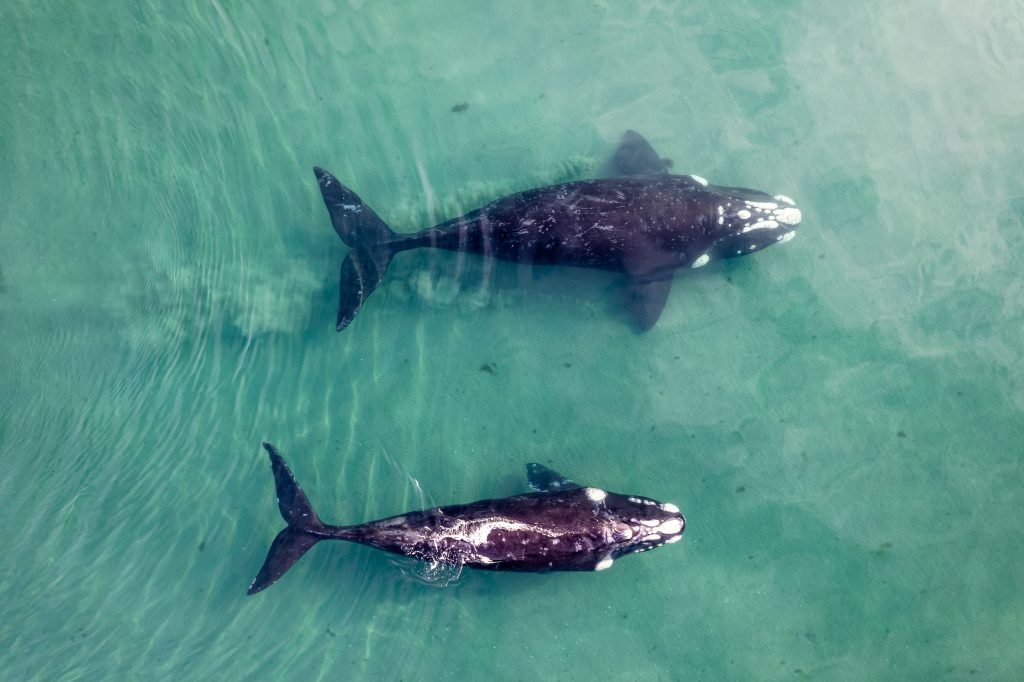
The Ocean’s Colossal Wonders: Mind-Blowing Facts About Whales
Before we talk about fins, tanks, and reefs, let’s take a moment to marvel at one of nature’s most awe-inspiring creations. Whales are not just big fish (in fact, they’re not fish at all — they’re mammals, just like us). They are among the most extraordinary animals ever to exist, and the more you learn about them, the more the ocean itself starts to feel like a different planet hiding beneath our own.
1. The Blue Whale Is Bigger Than Any Dinosaur That Ever Lived
It’s a common assumption that dinosaurs hold the record for the largest animals in Earth’s history. They don’t. The blue whale — a living, breathing mammal swimming in our oceans right now — is the largest animal known to have ever existed, dinosaurs included. An adult blue whale can stretch close to 30 meters (about 100 feet) in length and weigh nearly 200 tons, which is roughly the weight of 33 adult elephants standing on a single scale. Its heart alone is the size of a small car, and a human could theoretically swim through the largest blood vessels of a blue whale without touching the sides. When you consider that whales like this share the same planet, and often the same coastlines, as bustling human cities, it’s a humbling reminder of how vast and layered the ocean truly is.
2. Whales Sing Songs That Travel Hundreds of Kilometers
Humpback whales are famous for their haunting, complex songs — sequences of moans, cries, and rumbles that can last for over twenty minutes and repeat for hours on end. What’s even more remarkable is the range of these songs. Because sound travels roughly four times faster and much further underwater than it does through air, a humpback whale’s song can be detected by other whales hundreds of kilometers away. Some researchers believe that under the right ocean conditions, low-frequency calls from certain whale species could theoretically be heard across entire ocean basins. It’s essentially nature’s version of a long-distance broadcast system, evolved millions of years before humans invented radio.
3. Sperm Whales Have the Loudest Voice in the Animal Kingdom
If blue whales win the size contest, sperm whales win the volume contest. Their clicking sounds, used for echolocation and communication, can reach levels loud enough to be classified among the loudest sounds produced by any living creature — loud enough, in theory, to cause physical harm to human tissue at close range. Sperm whales use these clicks to “see” in the pitch-black depths of the ocean, sometimes diving over 2,000 meters below the surface in search of giant squid, using sound the way we use our eyes.
4. A Whale’s Heart Beats Only a Few Times Per Minute
While diving to extreme depths, a whale’s heart rate can slow dramatically — sometimes down to just a handful of beats per minute — in order to conserve oxygen. This biological adaptation allows certain species of whales to hold their breath for well over an hour while hunting in the deep sea. Compare that to a resting human heart rate of 60 to 100 beats per minute, and you start to appreciate just how finely tuned these animals are for life in an environment that would be instantly hostile to us.
5. Whales Migrate Farther Than Almost Any Other Mammal on Earth
Many species of whales undertake migrations that rank among the longest of any mammal on the planet, traveling thousands of kilometers between feeding grounds in cold, nutrient-rich waters and breeding grounds in warmer regions. Gray whales, for example, are known for one of the longest documented mammal migrations, and humpback whales aren’t far behind. These journeys aren’t casual swims — they’re epic, multi-month voyages guided by instinct, memory, and possibly even the Earth’s magnetic field, which some scientists believe whales may use as a natural compass.
6. When a Whale Dies, It Creates an Entire Ecosystem
One of the most fascinating phenomena in marine biology is something called a “whale fall.” When a whale dies and its body sinks to the ocean floor, it doesn’t simply disappear — it becomes the foundation of an entirely new, temporary ecosystem. Scavengers, bacteria, and specialized deep-sea organisms feed off the carcass for years, sometimes decades, in stages that scientists have carefully studied and categorized. A single whale fall can support more biomass than the surrounding seafloor sees in centuries. In death, as in life, whales continue to shape the ocean around them in ways we’re only beginning to understand.
7. Whales Are Astonishingly Intelligent and Emotionally Complex
Research into cetacean cognition suggests that many whales possess remarkable intelligence, complex social bonds, and even something resembling culture — distinct behaviors and communication patterns passed down within specific pods that don’t appear in others. Some species have been observed engaging in what looks like cooperative hunting strategies, mourning behaviors around deceased pod members, and problem-solving that rivals some primates. It’s a powerful reminder that intelligence in the animal kingdom doesn’t always look the way we expect it to.
8. Whales Are More Vulnerable Than Their Size Suggests
Despite their immense size and power, many whale species remain vulnerable due to a combination of historical hunting pressure, ship strikes, entanglement in fishing gear, and changing ocean conditions. Organizations around the world continue to study and protect these animals, and understanding facts like these is part of why so many people develop a deep respect for marine life the moment they start learning about it. If you’d like to go deeper into the science, the <a href=”https://www.worldwildlife.org/species/whale” rel=”noopener” target=”_blank”>World Wildlife Fund’s whale research page</a> is an excellent external resource for continued reading.
9. Whales Have Existed for Tens of Millions of Years
Long before humans walked the Earth, the ancestors of modern whales were already adapting to life in the water, evolving from land-dwelling mammals into the fully aquatic giants we recognize today. Fossil records trace this transformation back tens of millions of years, making whales one of the most remarkable examples of evolutionary adaptation in the animal kingdom. Every time a modern whale surfaces to breathe, it’s carrying millions of years of evolutionary history in that single breath.
10. A Whale’s Skin Is Its Own Ecosystem
It’s not just whale falls that create ecosystems — a living whale’s skin can host its own miniature community of barnacles, whale lice, and other small organisms that hitch a ride for their entire lives. Some of these hitchhikers are so specialized that they’re found on no other animal on Earth. It’s a small but fascinating reminder that in the ocean, life finds a way to build a home on almost any surface, no matter how unlikely.
Isn’t it incredible what lives beneath the surface of our planet? And here’s the truth: you don’t need to travel to the Arctic or the open Pacific to feel that same sense of wonder. You just need to get in the water.
Why Humans Are Endlessly Drawn to the Underwater World
There’s a reason facts about whales spread across the internet, get shared in classrooms, and stop people mid-scroll on social media. The underwater world taps into something deeply human — a mixture of curiosity, humility, and awe that’s hard to replicate anywhere else on the planet. On land, we’re used to being at the top of the food chain, moving through a world built largely for our comfort. Underwater, all of that changes. Gravity feels different. Sound behaves differently. Colors shift the deeper you go. And suddenly, you’re a visitor in someone else’s world, moving quietly and respectfully through an environment that doesn’t need you to survive, but is happy to let you explore it.
This is exactly the feeling that draws so many travelers toward scuba diving in Kerala. It’s not just about seeing fish or ticking off an adventure-sport checklist — it’s about that same sense of humbling wonder you feel reading about a 100-foot whale, except this time, you’re not reading about it. You’re living it, breath by breath, meter by meter, as the reef opens up around you.
Psychologists who study “awe” — that powerful emotional response to encountering something vast or beyond ordinary experience — often point to nature, and especially the ocean, as one of its most reliable triggers. You don’t need a two-hundred-ton animal to feel that awe. A quiet, colorful reef just off Kovalam’s shoreline, explored slowly through a diving mask, can deliver that exact same feeling in a much more accessible, much more personal way.
From Ocean Giants to Kerala’s Hidden Depths
Here’s the thing about the ocean — it doesn’t need to show you a 100-foot giant to leave you speechless. Sometimes the most breathtaking underwater experiences happen much closer to the surface, much closer to shore, in waters warm enough that you don’t even need a thick wetsuit. That’s exactly the kind of experience Kerala’s coastline has been quietly offering adventure seekers, and it’s about to become your new favorite story to tell.
While the open ocean belongs to the giants we just talked about, the coastal waters of Kovalam belong to a different kind of underwater theatre — one built from coral formations, darting reef fish, gentle currents, and that unmistakable feeling of weightlessness the moment you slip beneath the waves. If reading about whales lit a spark of curiosity in you, there’s no better way to keep that spark alive than by getting into the water yourself. And that’s precisely what scuba diving in Kerala is all about.
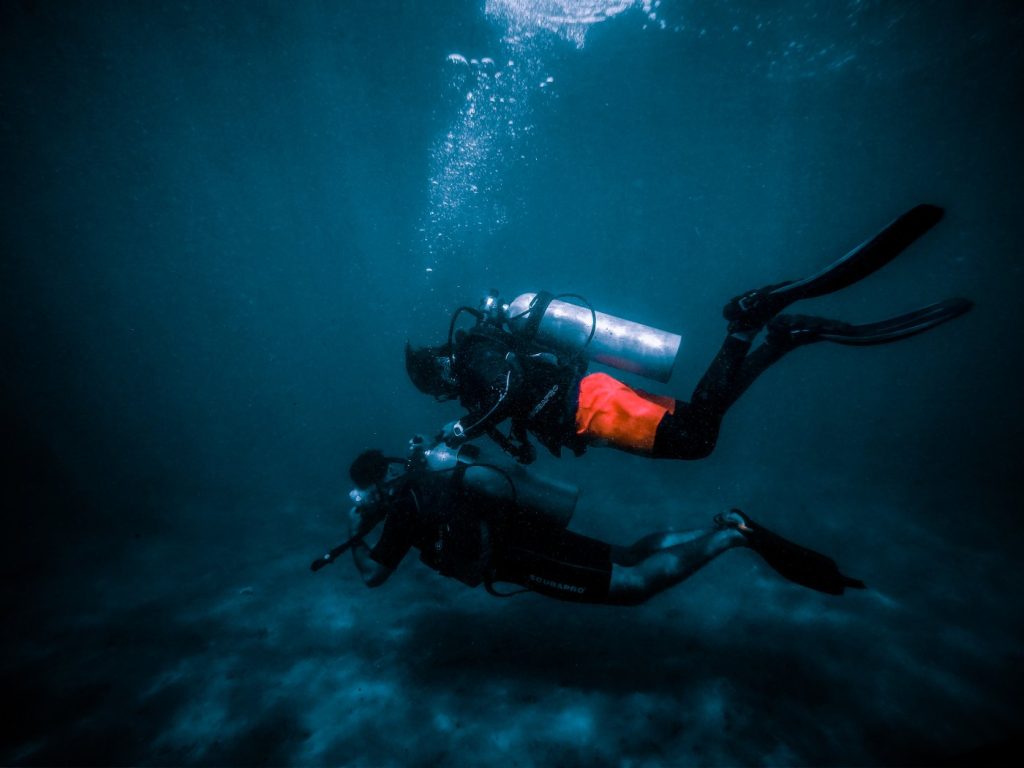
Scuba Diving in Kerala: Kovalam’s Underwater Playground
Kovalam has long been celebrated for its golden beaches, swaying palms, and lighthouse views — but beneath that postcard-perfect surface lies an entirely different world, one that most tourists never get to see. Scuba diving in Kerala at Kovalam is quickly becoming one of the state’s most talked-about adventure activities, and once you understand why, you’ll wonder how you ever visited this coastline without strapping on a tank.
Why Kovalam Is Kerala’s Top Diving Destination
Kovalam’s underwater topography offers a rare combination for divers: relatively calm, protected coastal waters, decent visibility for much of the year, and a rocky reef ecosystem that’s home to a surprising diversity of marine life. Unlike destinations that require a long boat ride to reach a dive site, many of Kovalam’s best spots are accessible just a short distance from shore, which makes scuba diving in Kerala here especially convenient for both first-timers and seasoned divers looking for a quick, satisfying dive session.
The Arabian Sea along this stretch of coastline also tends to be warm year-round, which means you can comfortably dive in a lightweight wetsuit (or sometimes none at all, depending on conditions), without the numbing cold that divers in other parts of the world have to fight through. This alone makes scuba diving in Kerala an incredibly approachable adventure — you don’t need to be an athlete or a seasoned outdoorsperson to try it.
Marine Life You’ll Encounter While Scuba Diving in Kerala
Descend just a few meters below the surface at Kovalam and the sandy, sun-dappled seabed slowly gives way to rocky outcrops covered in soft corals, sponges, and swaying sea fans. Schools of colorful reef fish move in perfect synchrony around you — parrotfish nibbling at coral, clownfish darting between anemones, angelfish flashing streaks of yellow and blue as they pass. Look a little closer and you might spot moray eels tucked into crevices, starfish resting on the seabed, and octopuses that can change color and texture right in front of your eyes.
Sea turtles are among the most beloved sightings for divers along this coast, gliding effortlessly through the water with a calm, unbothered grace that instantly puts nervous first-time divers at ease. Depending on the season and site, you might also encounter rays gliding just above the sandy bottom, and if you’re lucky, dolphins playing near the surface on your boat ride out. Every dive here feels like flipping to a new page of an underwater storybook — and no two dives are ever quite the same. This is the heart of what makes scuba diving in Kerala so addictive: the sense that there’s always something new waiting just beneath the surface.
Beginner to Advanced: Scuba Diving in Kerala for Everyone
One of the best things about choosing scuba diving in Kerala as your entry point into the sport is how accessible it is for complete beginners. You don’t need any prior experience or certification to try your first dive — trained instructors handle everything from equipment setup to safety briefings, and your first descent is done under close, one-on-one supervision. It’s the kind of activity where nerves turn into pure exhilaration within the first five minutes underwater.
For those who fall in love with the sport (and most people do), there are structured certification pathways available too, letting you progress from an introductory experience dive all the way to internationally recognized diving certifications. This means your first trip to Kovalam could be the beginning of a lifelong hobby that takes you to dive sites around the world — but it all starts with that first breath underwater, right here on Kerala’s coastline.
Best Time for Scuba Diving in Kerala at Kovalam
Timing matters when it comes to underwater visibility and sea conditions. Generally, the post-monsoon months through the early part of the year offer the calmest seas and clearest water along the Kovalam coast, making it the ideal window for scuba diving in Kerala. Calmer waters mean better visibility, gentler currents, and a more relaxed, enjoyable dive overall — especially important if it’s your very first time breathing underwater through a regulator. That said, dive operators monitor conditions closely and can advise you on the best days to book depending on when you’re planning your trip.
What to Expect on Your First Dive Day
If you’ve never tried scuba diving in Kerala before, it’s completely natural to feel a mix of excitement and nerves the night before. Here’s roughly how your first session tends to unfold. You’ll arrive at the dive center or beach meeting point a little before your scheduled slot, where instructors will walk you through the basic equipment — the mask, the regulator that lets you breathe underwater, the buoyancy control device, and the tank itself. There’s no need to memorize anything technical; the briefing is designed to be simple, reassuring, and easy to follow even if this is your very first time hearing these terms.
Next comes a shallow water orientation, where you’ll practice breathing through the regulator and getting comfortable with the equipment while still able to stand or float near the surface. This step alone eliminates most of the nervousness people feel, because you quickly realize breathing underwater feels far more natural than expected. Once your instructor is confident you’re comfortable, you’ll begin your guided descent together, moving slowly and calmly toward the reef.
From there, it’s simply about looking around. Your instructor will point out interesting marine life, help you maintain buoyancy, and make sure you’re comfortable throughout the dive. Most first-timers describe the experience as a strange mix of total concentration and complete relaxation — you’re focused on your breathing and surroundings, yet somehow calmer than you’ve felt in weeks. By the time you surface, most divers are already asking when they can go again.
A Coastline Built for Underwater Exploration
Kerala’s coastline is often celebrated for its backwaters, houseboats, and beaches — but the underwater world just off Kovalam deserves just as much attention. The rocky reef formations here create natural shelter for a wide variety of marine species, while the relatively gentle wave action close to shore makes conditions manageable even for divers who’ve never been underwater before. Unlike some coastal regions where strong currents or deep drop-offs make diving intimidating for beginners, Kovalam’s underwater landscape strikes a rare balance: interesting enough to keep experienced divers engaged, yet approachable enough for someone trying scuba diving in Kerala for the very first time.
There’s also something special about diving in a location that still feels like a hidden gem. While snorkeling and beach tourism have long been popular in Kovalam, scuba diving in Kerala here hasn’t yet reached the crowded, overexposed status of some international dive destinations. That means calmer sites, smaller groups, and a more personal, unhurried experience — the kind where your instructor actually remembers your name and checks in with you throughout the dive, rather than shuffling you through a packed schedule.
For travelers who’ve already explored Kovalam’s beaches, lighthouse, and Ayurvedic resorts, adding a dive session is often described as the single experience that completely changes how they see the destination. You start the day thinking of Kovalam as a place to relax on the sand, and you end it having discovered an entirely different Kovalam — one that exists just a few meters below where the waves break.
Practical Tips Before You Book
A little preparation goes a long way toward making your scuba diving in Kerala experience as smooth and enjoyable as possible. Avoid heavy meals immediately before your dive, stay hydrated, and get a reasonable night’s sleep if you can — diving is more physically engaging than it looks, even though the water supports most of your body weight. If you wear contact lenses, it’s worth mentioning this to your instructor beforehand. And if you’re prone to motion sickness on boats, letting the team know in advance means they can plan your route and timing accordingly.
It’s also worth booking a day or two of flexibility into your travel itinerary if possible. Sea conditions can occasionally shift diving schedules by a few hours, and having a little breathing room (pun intended) means you won’t feel rushed on the day of your dive.
Why Bond Safari Is Kovalam’s Trusted Name in Scuba Diving in Kerala
Plenty of places will strap a tank on your back and point you toward the water. Very few will do it with the safety standards, warmth, and genuine passion for the ocean that turns a good dive into an unforgettable one. That’s the difference Bond Safari brings to scuba diving in Kerala.
Certified Instructors & Safety First
Every dive at Bond Safari is led by trained, certified diving professionals who prioritize safety at every single step — from equipment checks and briefings on land to close supervision underwater. Whether you’re a nervous first-timer or a confident diver chasing your next certification, the team is there to make sure you feel supported, not rushed. This attention to detail is exactly why so many first-time divers walk away saying their experience with scuba diving in Kerala exceeded their expectations.
Packages Designed for Every Kind of Diver
Bond Safari offers a range of diving experiences to suit different comfort levels and goals — from short introductory dives perfect for curious beginners and families on holiday, to more advanced sessions for divers looking to explore deeper sites or work toward certification. Each package is designed to give you maximum time enjoying the underwater world, without unnecessary waiting around or confusing logistics. No matter which package you choose, the goal is the same: to give you a genuine, unforgettable taste of scuba diving in Kerala.
Small Groups, Personal Attention
Rather than cramming large groups into a single dive, Bond Safari keeps its sessions intimate, which means more personal attention from instructors, more time to ask questions, and a calmer, more comfortable experience overall — especially valuable for anyone trying scuba diving in Kerala for the very first time.
Frequently Asked Questions About Whales and Scuba Diving in Kerala
Do I need to know how to swim to try scuba diving in Kerala? Basic water comfort helps, but you don’t need to be an expert swimmer to try an introductory dive. Instructors guide you through everything and stay close throughout the experience.
Is scuba diving in Kerala safe for beginners? Yes. With certified instructors, modern equipment, and thorough safety briefings, first-time diving experiences are designed specifically with beginners in mind.
What should I bring for my dive? A swimsuit, a towel, sunscreen, and a sense of adventure. Most equipment — tanks, wetsuits, masks, and fins — is provided by the dive operator.
Will I see whales while scuba diving in Kerala? Whales are magnificent open-ocean creatures typically found far from shallow coastal reef environments, so a Kovalam dive won’t involve whale sightings. What you will find is an equally captivating world of coral, reef fish, turtles, and vibrant marine life just beneath the surface.
How long does a typical dive session last? Most introductory sessions, including briefing and equipment setup, take about an hour to ninety minutes, with actual underwater time typically ranging between 20 to 40 minutes depending on the package chosen.
Do I need my own equipment for scuba diving in Kerala? No. All essential gear — tanks, regulators, wetsuits, masks, fins, and weight belts — is provided as part of your package. You simply need to show up ready to get in the water.
Can children or older travelers try scuba diving in Kerala? Many operators, including Bond Safari, offer introductory dives suited to a wide age range, provided participants are in reasonable health and comfortable in water. It’s best to check specific age and health guidelines when you make your enquiry.
How deep will I go on my first dive? Introductory dives are typically kept shallow — often within the first several meters of the water column — which is exactly where most of the reef’s color and marine life activity happens anyway, making it ideal for beginners exploring scuba diving in Kerala for the first time.
Ready to Explore? Book Your Kovalam Dive Today
The ocean is full of wonder at every scale — from the colossal, song-singing whales patrolling the deep blue, to the vivid, close-up world of coral and color waiting just off the coast of Kovalam. You’ve just spent the last few minutes learning about creatures so massive they defy imagination. Now it’s time to trade the reading for the real thing.
You don’t need a research vessel or a marine biology degree to explore the underwater world — you just need a mask, a regulator, and a sense of curiosity. Bond Safari has helped countless first-time divers take that first breath underwater and fall completely in love with the ocean, and Kovalam’s warm, welcoming waters are the perfect place to start your own story.
If the facts about whales reminded you how vast and astonishing the ocean truly is, let that feeling carry you one step further. Book your scuba diving in Kerala experience with Bond Safari today, and discover firsthand why the underwater world of Kovalam has divers coming back again and again.
Every great ocean story starts the same way: someone curious enough to take the first step, or in this case, the first breath underwater. Whether it was a whale fact that stopped you mid-scroll or a photo of Kovalam’s coastline that’s been sitting in your travel wishlist for months, you now have everything you need to turn that curiosity into an actual memory. The reef is waiting, the instructors are ready, and the only thing missing from this story is you. So go ahead — send that enquiry, pick your dive slot, and let scuba diving in Kerala at Kovalam show you just how much wonder is hiding beneath the waves you’ve been walking past all along.